Key takeaways:
- Despite U.S. women being more engaged and open about their health than ever before, access to trustworthy, easy-to-understand information is limited, hindering women from making confident, informed decisions about their bodies.
- As an ongoing commitment to supporting women's health, Nature's Bounty launched its Supplement The Gap campaign, taking dedicated steps to helping women navigate the knowledge gaps around their health.
Despite women making up half the world's population, less than 9% of U.S. medical research funding goes toward women's health. With reliable, easy-to-understand research and information hard to find, women across the country are speaking up about their own health and wellness experiences.
In a survey commissioned by Nature's Bounty, six in ten women (60%) shared they want more open conversations with friends and family about their health, with nearly half (46%) of them open to having these conversations outside of their circle, too.
Despite this, 70% of women also wished they learned more about women's health when they were younger, and half of women who have experienced menopause didn't feel properly prepared for it. This indicates knowledge gaps surrounding canon health and life stages, like menopause, pregnancy, aging and more.
"Speaking from experience, women have been silently figuring out their health by themselves for years," said Jenn Sherman, fitness instructor and Nature's Bounty partner. "Having more open conversations with other women and sharing our experiences are the keys to bridging the knowledge gaps around our health and serve as an important reminder that we're not alone."
Taking action
Nature's Bounty, a leader in scientifically backed vitamin and nutritional supplements, is calling attention to these knowledge gaps and aiming to spark the conversations that close them through its Supplement The Gap campaign.
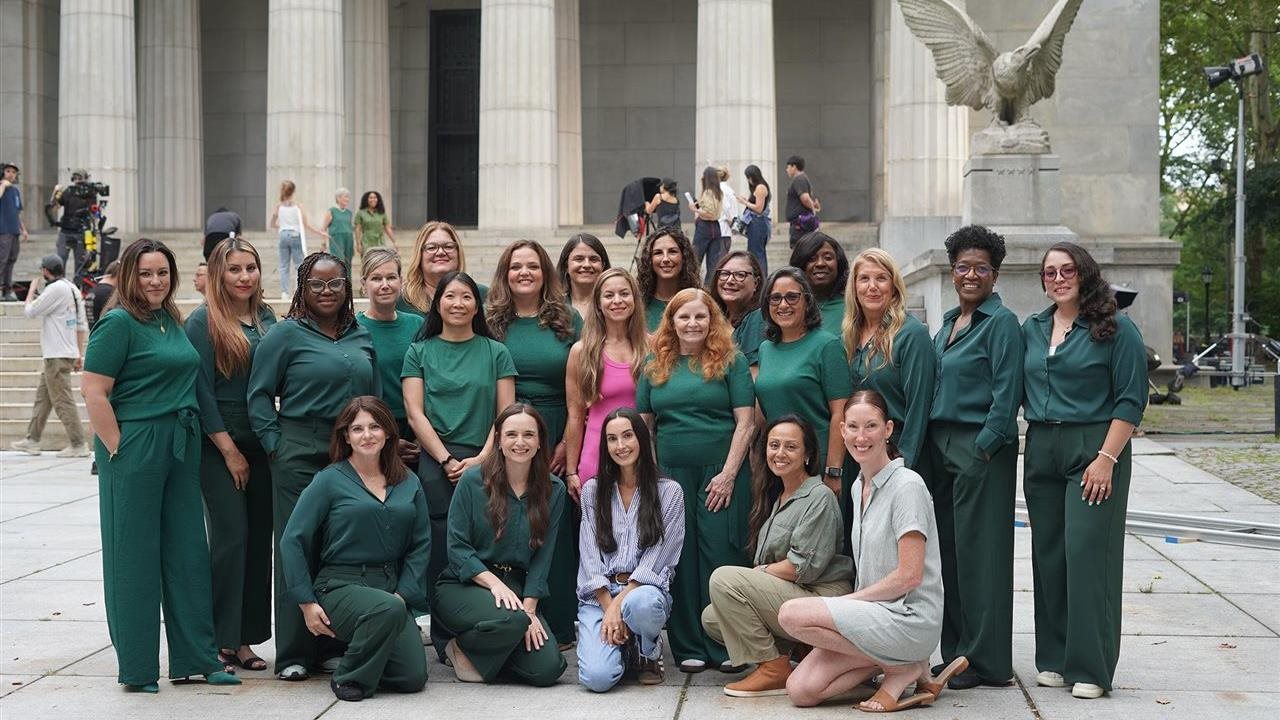
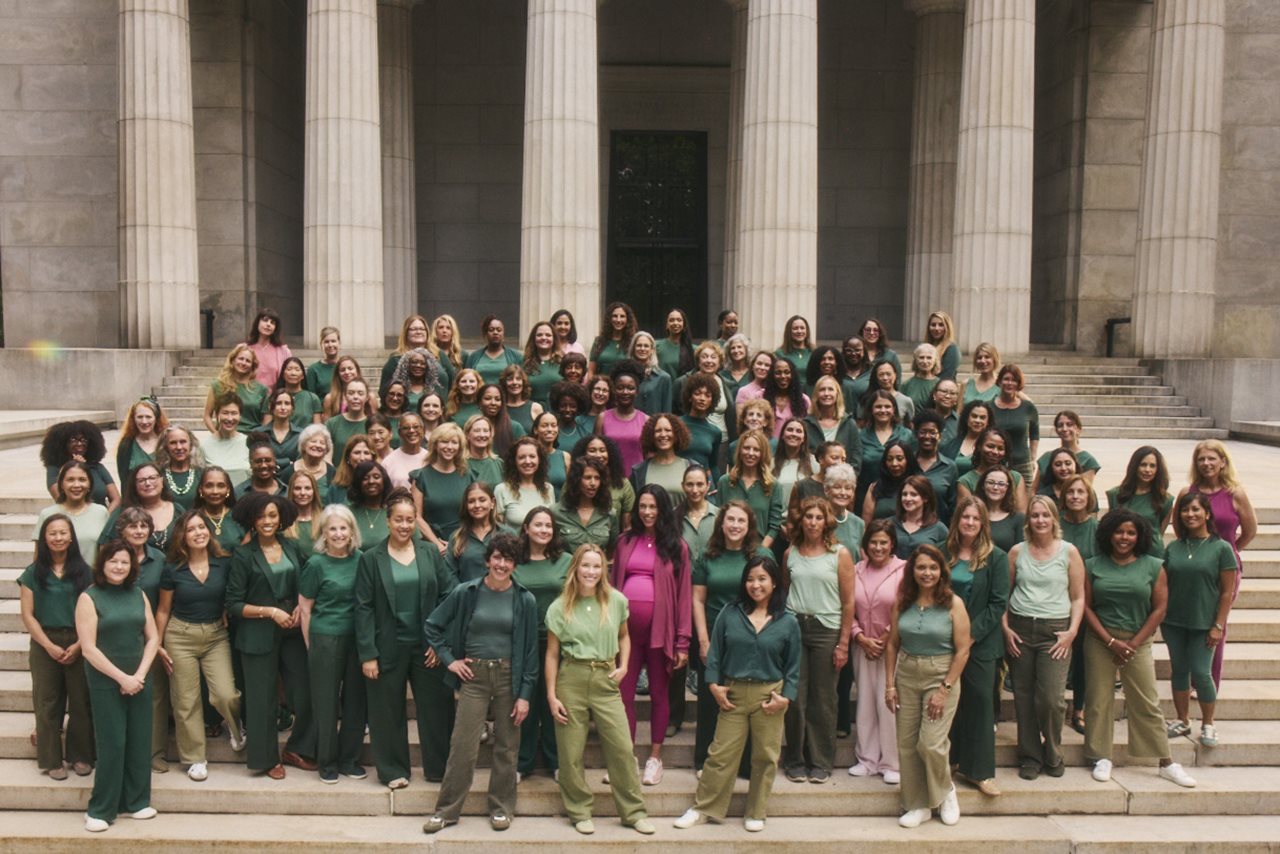
For this campaign, Nature's Bounty talked with 100 women who shared their real stories about navigating women's health experiences and issues. Regardless of life stage, these women shared a sentiment of feeling unprepared, unheard and uninformed about their own health. Nature's Bounty cast these real women in their campaign ad spot to visualize and humanize many of the challenging statistics around women's health, drawing greater awareness to this growing cultural conversation.
"At its core, Supplement The Gap is about making it easy for women everywhere to access and understand information about their health," said Mohini Joshi, vice president and head of global consumer engagement at Nature's Bounty. "We hope that by showcasing real women and their discussions about their health, we're able to spark more conversations that help women feel heard and also facilitate knowledge sharing that helps women of all life stages feel more empowered in understanding and advocating for their health."
A long-term commitment
As part of its ongoing platform, Nature's Bounty will collaborate with the Society for Women's Health Research (SWHR) in 2027 for a dedicated report on the state of women's health. In partnership with Nature's Bounty, SWHR will conduct a systematic literature review, synthesis and original interviews, offering a detailed look into current knowledge gaps, potential disparities and emerging areas of focus. And perhaps most important, this report will be written in plain terms and widely available and accessible to women everywhere. SWHR is a decades-old, national nonprofit dedicated to advancing women's health through education, advocacy and collaboration.
The journey to closing the knowledge gap surrounding women's health will take many years and the collaboration of many organizations across the world, but in the short term, campaigns like this aim to help women start to feel more empowered when it comes to their health. This could be a mother who feels equipped to talk with her daughter about her experience with menopause, a postpartum woman understanding what is happening to her hormones and knowing her options for support, or even a woman recognizing the hair thinning she's experiencing may be tied to perimenopause and scheduling an appointment to talk about it with her doctor.
This will require many voices, stories, passion and ongoing learning, and as more women begin to speak up about their health, now is the perfect time to embark on this journey.
To learn more, visit www.supplementthegap.com.


