
Getting preventive care, such as routine screenings, is one of the most important things people can do for their health. According to the U.S. Department of Health and Human Services, getting preventive care reduces the risk of disease, disability and death. However, many Americans face persistent barriers to accessing preventive screenings that could improve and even save their lives.
A new survey* commissioned by CVS Health® found that nearly one in four adults have delayed speaking with a health professional about health concerns because of barriers related to access, cost or availability. Among adults who reported barriers to obtaining routine screenings:
- 19% have relied on internet searches instead of speaking with a health professional.
- 17% have reduced spending on essentials such as groceries because of health-related costs.
- 15% have used savings or taken on debt to cover health expenses.
- 15% have lost income after taking time away from work to address health-related needs.
"The research shows that people are looking for easier ways to access preventive health screenings," said Jenny McColloch, chief sustainability officer and vice president of community impact, CVS Health. "At the same time, many aren't aware that free screening options may exist in their communities. That's why meeting people where they are with programs that bring screenings directly into neighborhoods can make such a meaningful difference."
How one program is improving access to preventive care
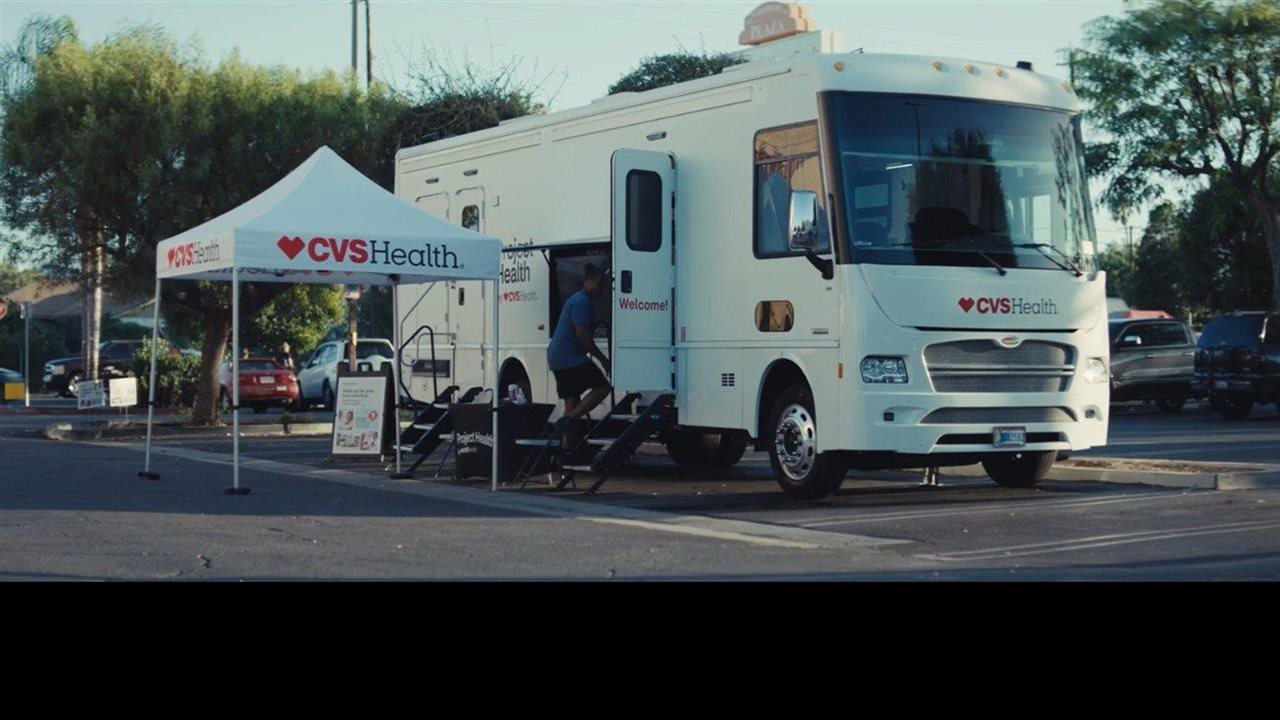
It's clear that Americans want routine screenings but need help accessing these vital preventive health services. That's why Project Health, CVS Health's free community health screening program, has spent the last 20 years bringing preventive health services directly into communities.
Through CVS Pharmacy locations, mobile sites and community events, the program has made it easier to access these important services in places that are convenient and familiar. Since launching in 2006, Project Health has:
- Delivered nearly 20,000 community screening events
- Reached 1.8 million people across the U.S. and Puerto Rico
- Provided more than 6 million no-cost preventive health screenings
- Offered screenings with no appointment and no insurance required
For one Houston woman, Project Health could not have come at a more opportune time. When Cheryl Jones retired and relocated from New York to Houston in late 2025, she was still getting settled and had not yet established local health resources.
After a planned trip back to New York for appointments was canceled, she found an unexpected opportunity close to home: a Project Health mobile screening event outside a nearby CVS Pharmacy.
"I had just moved to Houston and didn't know anyone yet," Jones said. "The team was so inviting that I decided to stop and take the screening."
What began as a routine screening provided valuable insight into her health. Jones learned that her cholesterol and A1C levels had increased, providing her with key health information she might not have discovered for months.
"It wasn't necessarily surprising, but it was the reminder I needed," Jones said. "The experience encouraged me to pay closer attention to my health and be more consistent about monitoring it."
Removing barriers, improving community health
Jones's experience is just one of many stories that highlight the value of bringing preventive health services directly into communities.
"For someone new to a city without an established doctor, it gave me a way to stay informed about my health instead of waiting until something became serious," Jones said.
As Project Health marks its 20th anniversary, the program continues to demonstrate the impact of community-based prevention. When receiving a screening from Project Health, each participant can expect to receive:
- No-cost preventive health screenings
- One-on-one consultations with health professionals
- Information to help understand screening results
- Connections to local resources and online health education, including access to the Project Health app
"This survey reinforces what we've seen over the past 20 years through Project Health: when screenings are convenient, accessible and offered in places people already know and trust, they're more likely to take that first step," McColloch said. "That's why we've continued to bring preventive health services directly into communities and help people better understand their health."
To learn more and find preventive care in your community, visit CVS.com/Project-Health.
*Survey methodology: The survey was conducted online by Morning Consult between July 16–20, 2026, among 2,062 U.S. adults, with additional samples in Arizona, California, Florida, Illinois, Massachusetts, New York, North Carolina, Pennsylvania and Texas. Results have a margin of error ranging from +/- 2 to 4 percentage points.


