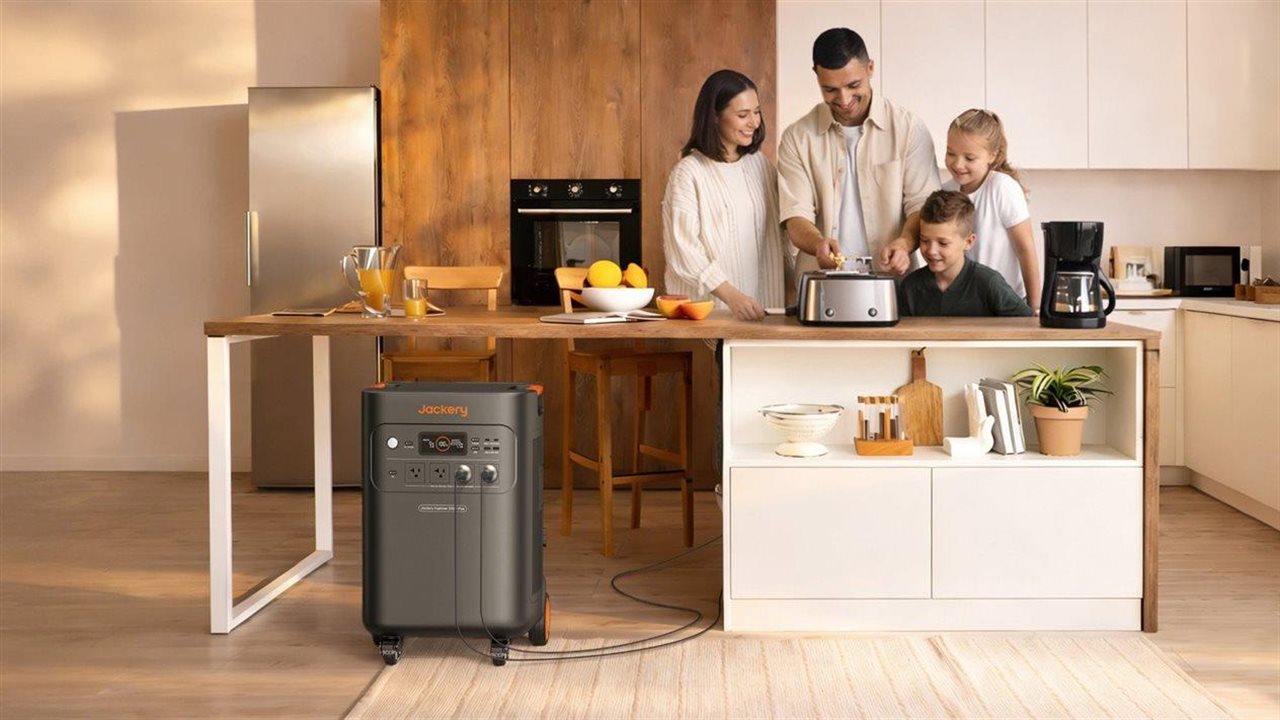
Most households underestimate two things about a public safety power shutoff: how long it typically lasts and how fast it can cost them a full refrigerator and freezer. When a utility company shuts off electricity to reduce wildfire risks, the interruption can stretch well beyond an afternoon. In California specifically, the average public safety power shutoff (PSPS) lasts almost two days, with some outages extending longer than six days.
If you've just gone grocery shopping, a single average-length shutoff is long enough to force you to throw out everything perishable in your fridge. In fact, the U.S. Department of Agriculture (USDA) advises discarding refrigerated perishables such as meat, poultry, fish, eggs and leftovers after just 4 hours without power. A full freezer is at risk of spoiling, too. According to the agency, a full freezer can only maintain a safe temperature for approximately 48 hours.
A potential shutoff doesn't have to mean hundreds of dollars lost or days without power. The key is to know the facts and stay prepared. To make preparedness feel more manageable, Beau, Jackery's in-house former licensed electrician, debunks the eight most common myths about energy shutoffs and offers practical advice on how to keep your fridge cool and your home running with home battery backup when the rest of the block goes dark.
Myth: I'll find out I'm having a shutoff when the lights go out.
Reality: If conditions allow, the utility company actually notifies you in advance when your circuit's being considered, usually a day or two out. That window is when you want to make sure your home battery backup is topped off so you'll have power before a shutoff begins.
Myth: My phone and laptop batteries will get me through a shutoff.
Reality: Your phone and laptop batteries will only last a few hours, not a few days. Since shutoffs can run 24-48 hours (or longer), you'll have to do without these important electronics. You'll also have bigger things to worry about, like keeping your fridge, Wi-Fi router or anything else that needs to stay connected powered on.
Myth: If the power is shut off, I'll just wait it out. It's usually only a few hours.
Reality: This is sometimes true, but shutoffs are called based on wind and fire risk, not a fixed schedule, so they can run longer than expected. Just last October, due to fire weather concerns, Southern California Edison de-energized 1,215 customers across seven counties, leaving them without power for over a week. Having a home battery backup means you're not gambling on a timeline you can't control.
Myth: Backup batteries are only for people trying to go off-grid.
Reality: Most people adding home backup batteries are staying on the grid full time. By adding a home backup solution, they're giving themselves peace of mind for days when the power's out. It's not a lifestyle change, it's a spare tire. And once you have a portable power station to safeguard your necessities, you realize how many practical applications portable power at your fingertips can unlock: from outdoor entertaining, to road trips, to projects around the house.
Myth: If the power's out, my only real option is a gas generator.
Reality: That may have been true at one point, but not anymore. Home battery backup solutions like Jackery's portable power stations and solar generators can power the same essentials as a generator without the noise, fumes or trips to the gas station. All you have to do is charge them in advance. And there's always the option to replenish them with solar power through Jackery's portable solar panels.
Myth: A home backup battery can't handle anything more than charging my phone.
Reality: People are often surprised by what a portable power station can handle. The right-sized unit can run a fridge, a Wi-Fi router, some lighting and charge devices all at once for a full day or more.
Myth: Setting this up is a big electrical project.
Reality: Portable solar power generators like Jackery's are plug-and-play units that don't require you to rewire your home but are ready right out of the box. You do have the option to connect a unit to specific circuits so they can switch over automatically or at the flip of a switch, and that's a quick job for an electrician.
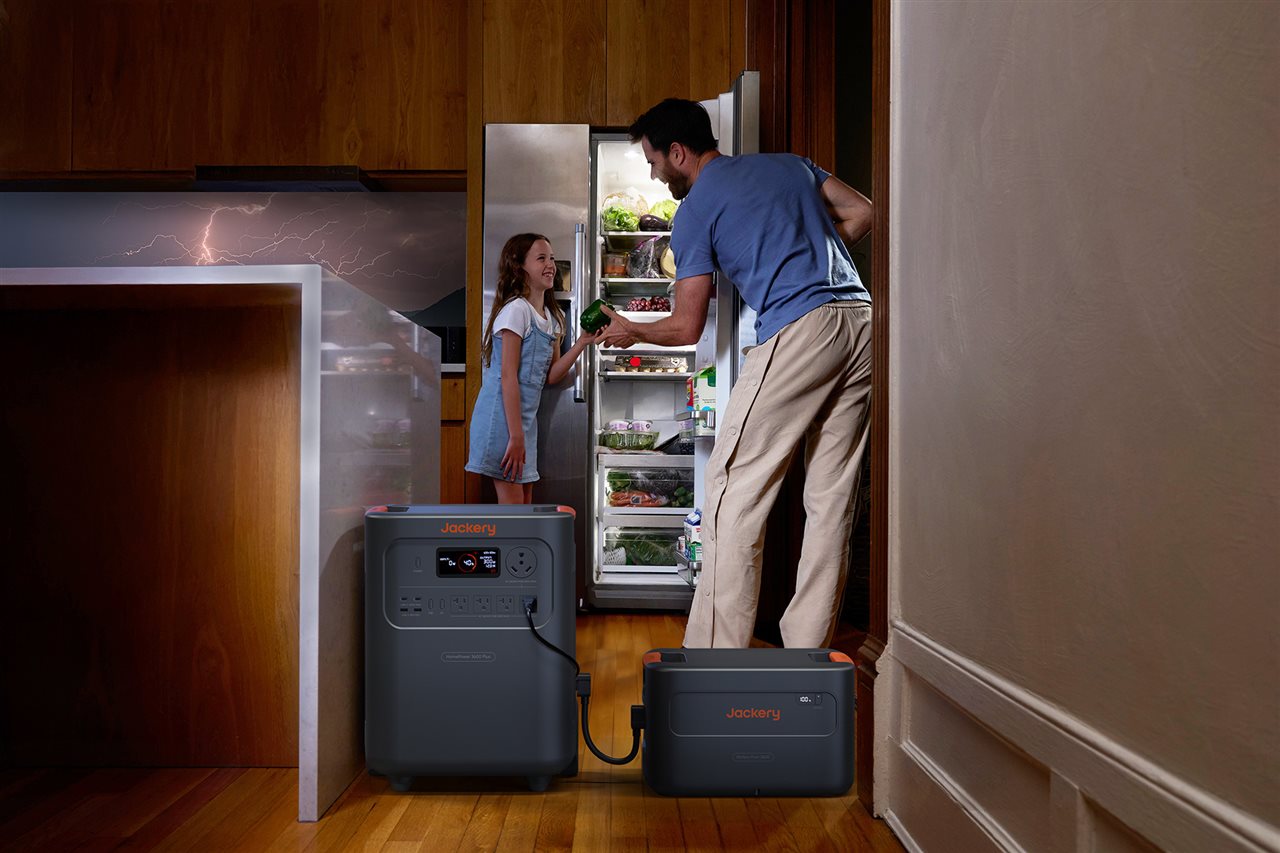
For example, the Jackery HomePower 3600 Plus and Explorer 5000 Plus can connect to home circuits via a Manual Transfer Switch and Smart Transfer Switch, respectively, for multiroom essential home backup. That said, plenty of people just plug in the electronics and appliances they need directly into the power station, so a solution like the HomePower 1000 Plus V2 is a lighter, more affordable option for smaller households or apartments to weather a shutoff.
Myth: If I have solar, my power never really goes out.
Reality: This is an incredibly common misconception. Federal interconnection safety standards require a standard grid-tied residential solar system to shut down when the grid does to protect utility line workers. That means if you have rooftop solar panels but no battery, the shutoff will hit your solar home exactly like every other home on the block without that energy stored somewhere.
A simple solution to this problem is to use portable solar panels. These panels aren't tied to the grid, giving households with solar an independent way to actually use that power during a shutoff. Jackery's portable solar panels work with all of our brand's backup power solutions so that you can capture, store and use solar power during a shutoff or any time you want to create free, renewable energy.
When the power shuts off, you don't need to shut down
When it comes to power shutoffs, it's important to separate fact from fiction. To learn more about how to prepare for a potential shutoff and explore backup power solutions for your home, visit Jackery.com.


