Just because the Atlantic has been quiet doesn't mean that hurricane season, or the risk of losing power, is over. In fact, late-season storms have produced some of the region's most damaging hurricanes on record, and with them, some of the longest home power outages households have faced.
Just two years ago, Hurricane Helene, a Category 4 storm, made landfall in Florida's Big Bend region in late September and became the deadliest hurricane to hit the U.S. mainland since Hurricane Katrina. Nearly two weeks later, Hurricane Milton, a Category 3 hurricane, made landfall near Siesta Key, Florida, and became the most intense hurricane of the 2024 season.
Don't let a quiet fall catch you off guard. Use these 10 steps to help you prepare your household for the rest of hurricane season, power outages and beyond.
1. Know your evacuation zone before you need it
Are you in a hurricane evacuation zone? If you don't know, take a quick look at your county's zone map. If you're in an evacuation zone, plan where you'll need to go and how to get there should a hurricane land. A little preparation now can remove the guesswork later when every moment counts.
2. Keep essentials running without a gas generator
Gas generators require you to keep gas cans on hand, and if you run out during an evacuation or extended outage, it won't be easy, and sometimes impossible, to get more. Plus, gas generators are noisy, produce fumes and put you at risk of carbon monoxide poisoning. Home battery backup systems and portable power stations, on the other hand, are ideal power sources that run quietly, produce no fumes or carbon monoxide risk, and require no fuel or refueling.
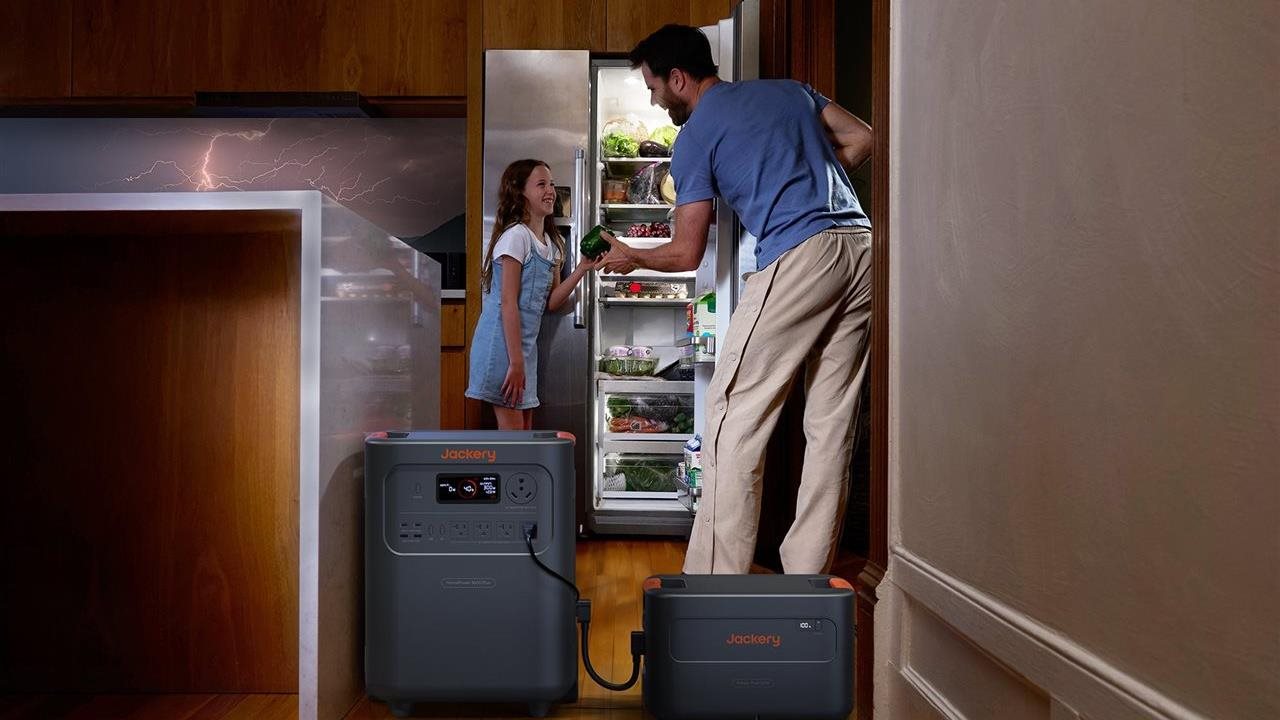
During an outage, two things matter most: keeping food safe and staying connected. A Jackery portable power station for a refrigerator can run for hours to days depending on capacity, protecting groceries and medication from spoiling while the grid is down. The same unit can keep a WiFi router and modem powered, too, so your household can keep receiving emergency alerts, checking storm updates and staying in touch with family even if cell service gets spotty.
Home solar generators like Jackery's Explorer 5000 Plus and HomePower 3600 Plus simply need to be charged in advance, which can be done in a variety of ways, including through portable solar panels or a traditional wall outlet. Both models can also connect directly to home circuits via a Smart Transfer Switch for the former and a Manual Transfer Switch for the latter, providing essential home backup for essentials across multiple rooms: from the fridge and WiFi to lighting and other essential devices.
3. Build a two-week pantry, not a two-day one
Grid power and road access can take time to restore after late-season storms, limiting your ability to purchase necessities. Take stock of your pantry now, make a list of items you're missing and store enough to last you for two weeks. Some supplies you should consider stocking include:
- Shelf-stable food items
- Water
- Pet food
- Diapers
- Baby formula
4. Protect the paperwork that's hardest to replace
Insurance policies, IDs and property documents are difficult to replace if lost or damaged. Store these documents in a waterproof folder and scan and store them in the cloud, so you can rest easy knowing you'll always have access to them.
5. Download what you'll need offline
Your phone won't help you if you can't connect to a network. In case service drops, download important information that you'll need during an evacuation. This can include maps, contact numbers and local alerts.
6. Fill the tank early
Once a storm is confirmed, people will be rushing to the pumps to fill up their tanks. Instead of waiting for the lines to get long, fill your gas tank early. Remember, a half tank two days out beats an empty one the night before.
7. Charge your portable power station while it's calm
A portable power station like the HomePower 1000 Plus V2 is incredibly useful if your household is under an evacuation order, but only if it's fully charged. Don't wait until a storm watch is issued to top it up. Instead, get into the habit of charging your home battery backup year-round, so you'll always be ready if a hurricane or anything that causes an unexpected home power outage is on the horizon.
8. Bring the outdoors in
Patio furniture, planters and other outdoor items can become dangerous projectiles in high wind conditions. If a hurricane is in the forecast, make sure to store large items like patio furniture and planters in the garage, and smaller items inside your home.
9. Check in with neighbors
During a storm, it's important to protect each other, including your neighbors. A quick text to someone nearby, especially anyone living alone, costs nothing and matters most in the first hours after a storm passes.
10. Prepare once a season, not once a decade
Review this checklist each fall to stay prepared for late-season hurricanes and the home power outages that often follow. A five-minute refresher will help your household remember these important tips and can help you keep your home battery backup plan current as your household needs change.
Late-season hurricanes can escalate quickly, but preparation now, with a reliable portable power station or solar generator on hand, can help your household respond to an outage with greater confidence. To learn more about hurricane preparedness and home battery backup systems, visit Jackery.com.


