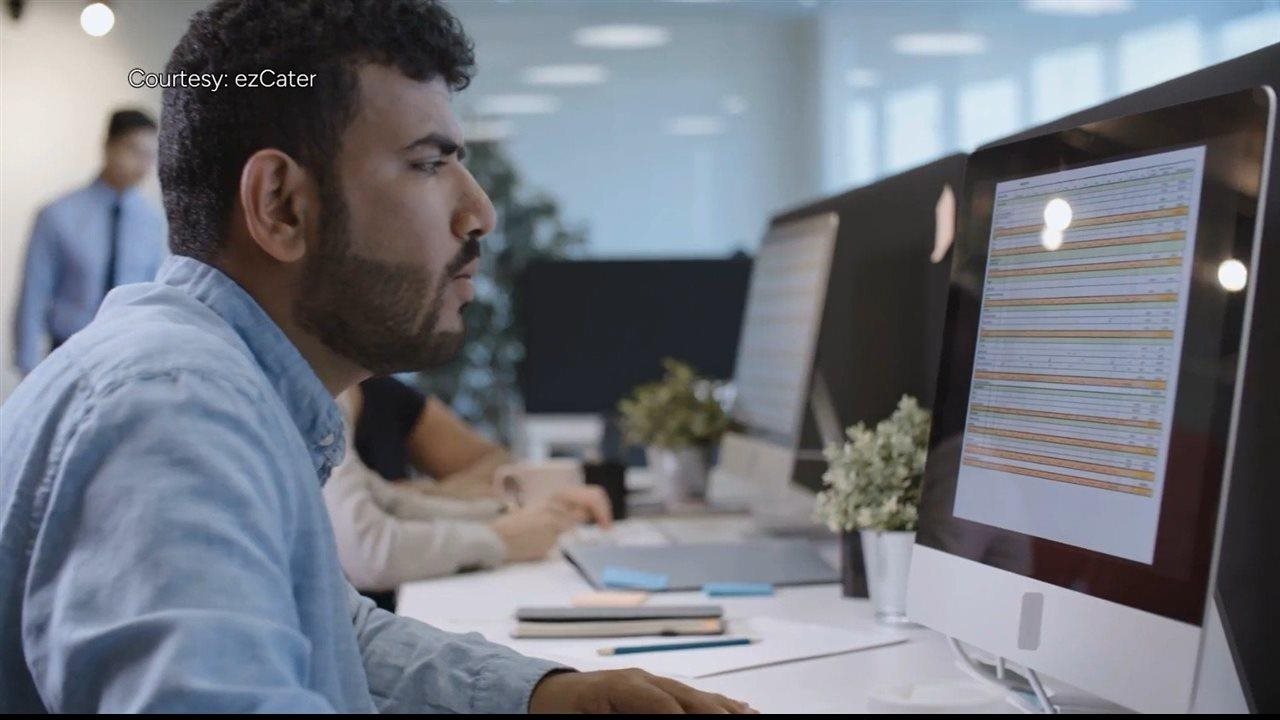

Employers looking to boost productivity and foster employee connection may be overlooking an effective approach: protecting lunch breaks and providing meals for workers. This year's Lunch Report from ezCater shows that employees value time to eat and recharge, even as packed schedules and pressure to stay "on" are driving more people to skip lunch.
"When employees sacrifice their lunch break, performance suffers," said Robert Kaskel, VP of People at ezCater. "A lunch break helps employees return to their work fueled, focused, and ready to contribute."
The report also shows how expectations around lunch are changing and why employers have an opportunity to make workplace meal breaks more meaningful.
Skipping lunch comes at a cost
Since ezCater began tracking employee lunch habits in 2022, the share of workers who report skipping lunch has steadily increased each year. This year, more than half of US employees (54%) say they now skip lunch altogether at least once a week.
For many, workplace pressure is part of the problem. Nearly one-third of employees (31%) report feeling more pressure to stay available during lunch than in previous years, and an equal number say their company culture makes it hard to step away.
The increase in employees skipping lunch has led to a workplace productivity slump: 84% of employees say hunger hurts their job performance, making them less focused (49%), more likely to make mistakes (40%), and slower to complete tasks (38%).
Cost is also reshaping lunch habits. More than 8 in 10 (81%) say that inflation has changed their workplace lunch routines, and employees now spend an average of $100 per week on work lunches. To reduce costs, workers are buying lunch out less often (42%), choosing cheaper options (40%), seeking employer-provided food (21%; up 38% from 2025), and skipping meals to save money (16%).
Lunch is an overlooked opportunity for connection
Lunch offers more than a break from work. It is one of the few natural opportunities for employees to connect with colleagues, something that can be harder to find in today's remote and hybrid work environment.
Even when they're in the office, employees aren't finding the connection they came in for. While 62% of employees report eating alone when they're on-site, over half (54%) say they would prefer to eat in collaborative spaces. The gap points to a clear opportunity for employers to make lunch an intentional moment for in-person connection.
The need is particularly important for Gen Z and millennial workers. These younger employees are 60% more likely than Gen X and baby boomers to call lunch their favorite part of the day. Yet they are also more than twice as likely (117%) to say their manager makes them feel they cannot step away for a proper lunch. For this group, protecting lunch goes beyond a workday break; it is about creating space to recharge and build relationships at work.
Employer-provided lunches make a real difference
Employees are looking to their employers to support this time, with 61% percent expecting their companies to provide built-in breaks to eat and recharge. Providing food is an effective way to protect the lunch break while creating the shared, in-person experience employees want on-site.
"Organizations have a clear opportunity: offer lunch, protect the midday break, and encourage employees to share a meal together," added Kaskel. "It's a small investment that yields an outsized return of a more productive and connected workplace. That's why ezCater makes managing food programs effortless for organizations. The less friction there is in feeding people well, the easier it becomes for leaders to make it a part of their culture."
With one platform for ordering and managing food, ezCater makes it simple for organizations to provide meals for large teams, including across multiple worksites. Learn how your company can manage its food needs at ezcater.com.


