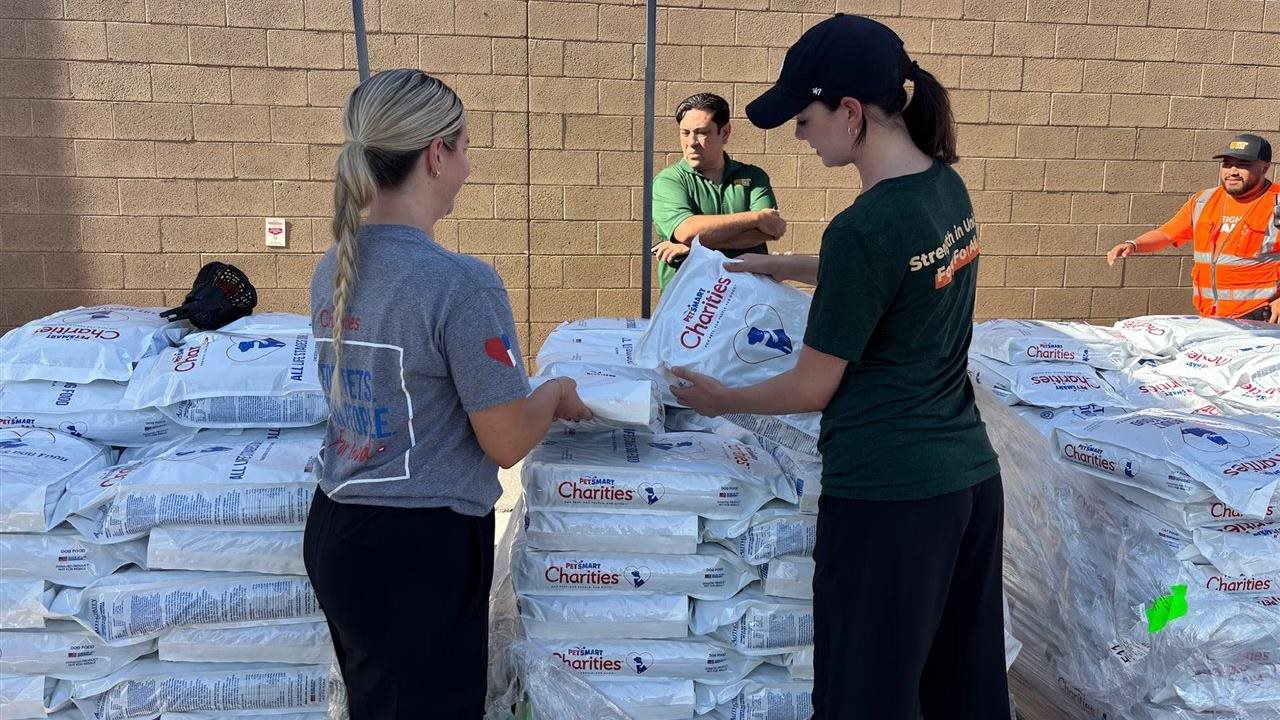
Food insecurity can affect anyone, from seniors living on a fixed income to parents managing increasing grocery costs. And when humans face hunger, their pets often do, too.
Nearly 48 million people in the U.S. experience food insecurity and roughly 30 million pets live in homes with people experiencing food insecurity. Despite the prevalence of pet hunger, awareness remains low. According to a new PetSmart Charities survey, only 31% of people say they are very aware that pet hunger in the home exists at all*, while more than one-third (36%) report having little to no awareness of the issue.
The reality is that pet hunger is not siloed from the growing issue of human food insecurity, but is often deeply connected. And when people don't have enough to feed themselves or don't know where their next meal will come from, they may have to make difficult decisions for the sake of their pets.
An impossible choice
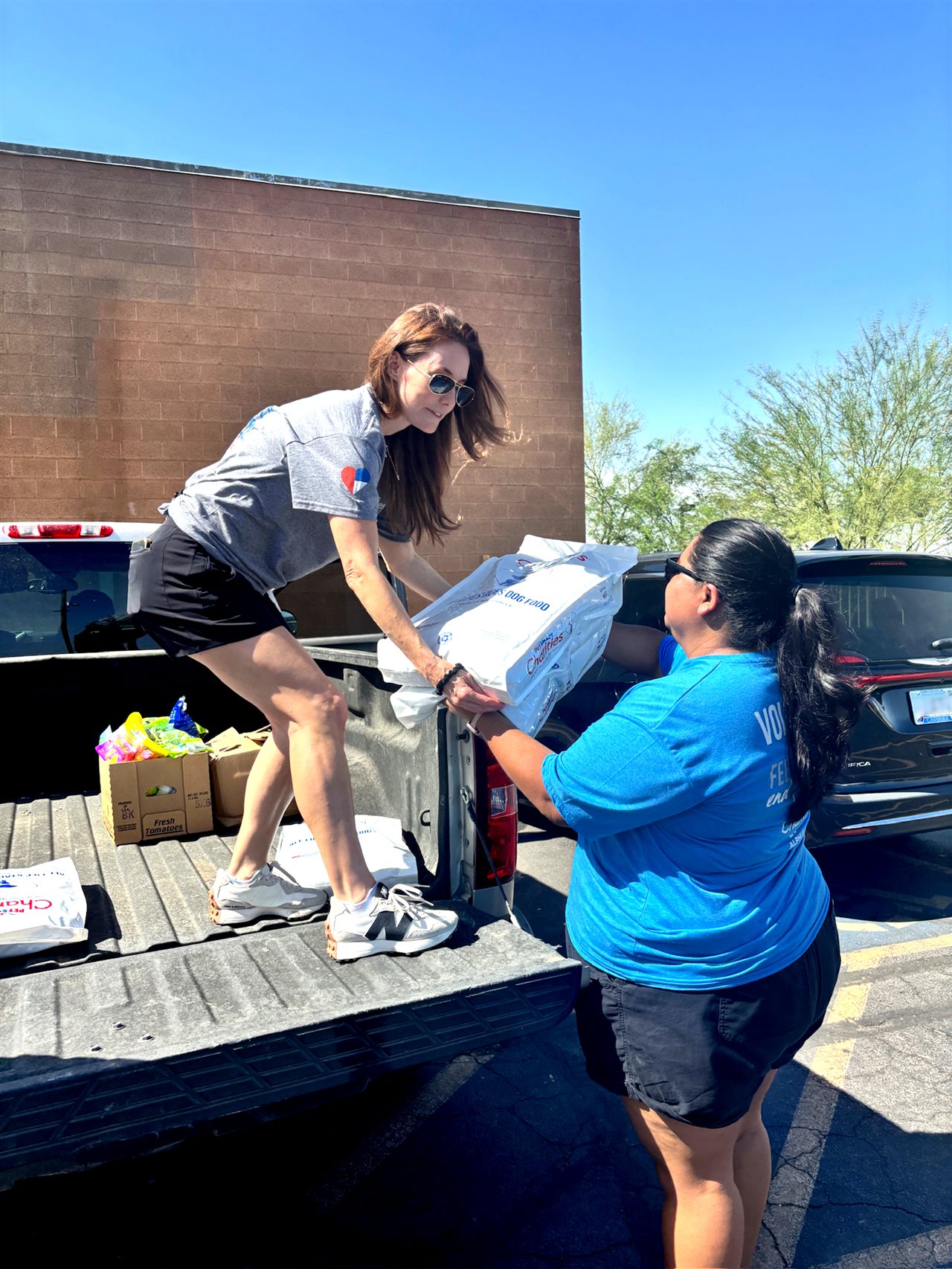
Pets aren't just companions. Many people consider their pets to be family members, so it should come as no surprise that humans are willing to make personal sacrifices to keep their pets fed.
According to Meals on Wheels America, one in five seniors will forgo their own meals, filling their pets' bowls first. Additionally, many Meals on Wheels volunteers have discovered that the food trays they delivered to clients were often left on the floor as pet parents shared their meals with their pets.
But when sharing food is not enough, pet parents have to make even more difficult decisions — 56% report having had to reduce other costs in their life to afford pet food, and 13% of pet parents who've experienced difficulty affording pet food have considered rehoming or surrendering their pet, crowding already full animal shelters.
Helping fill bowls for humans and pets
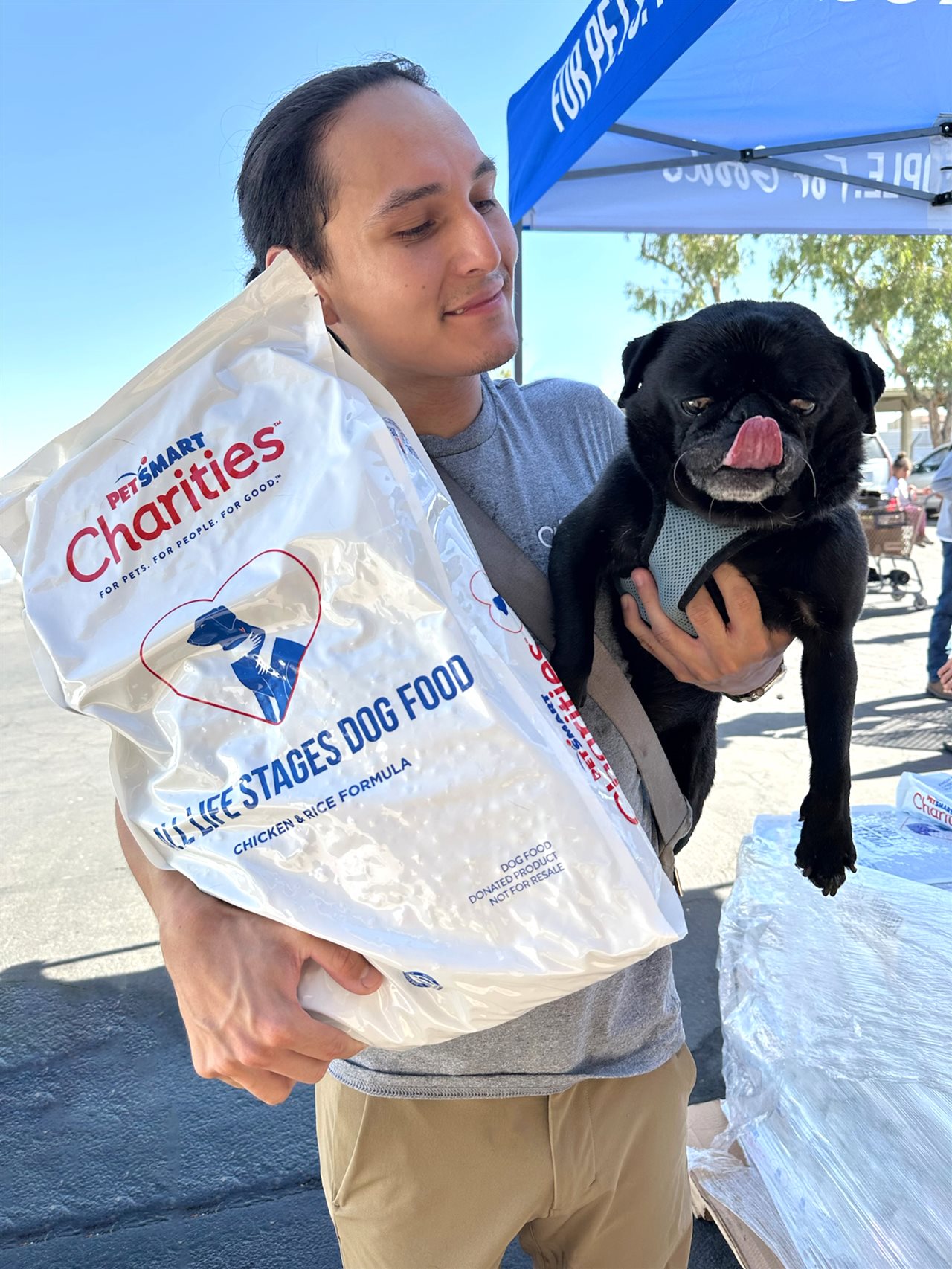
When human services organizations can meet pet parents where they're at, it may help reduce preventable surrenders. Among pet owners who have personally struggled to afford pet food, 87% place pet food availability at community food banks or mobile food pantries among their top forms of support, followed closely by free or low-cost pet food distribution programs (86%). While available pet food at food banks can vary by community, there are organizations and social services who are making strides in addressing hunger on both ends of the leash.
For the past few years, PetSmart Charities has partnered with Feeding America® and Meals on Wheels America to distribute pet food to the families they serve year-round. Since the beginning of this initiative, the organizations have helped provide hundreds of millions of pet meals to families in need.
"Love for our pets isn't measured by our bank account balances," said Aimee Gilbreath, president of PetSmart Charities. "When times are tough, we want to ensure people have access to the resources they need to make sure their pets can stay in their homes doing what they do best — giving unconditional love and companionship. Our partnerships are rooted in addressing the connection between human and pet hunger, and we'd encourage all social services agencies to consider adding services for pets, too."
If you need support to keep yourself and your pet fed, know that you are not alone. You can visit the Meals on Wheels and Feeding America websites to learn more about how you can access pet food along with food assistance.
In honor of PetSmart Charities Pet Hunger Awareness Day® (Sept. 29), PetSmart customers can contribute funds directly at checkout or donate PetSmart Treats Rewards points to support the programs that help keep humans and pets fed.
To learn more about Pet Hunger Awareness Day or to donate, visit PetSmartCharities.org.


