
For many American families, getting health care can feel harder than it should. They often face challenges like long waits for a primary care visit, high deductibles that make them pause before seeking care, and a fragmented system that too often leaves people to navigate it alone.
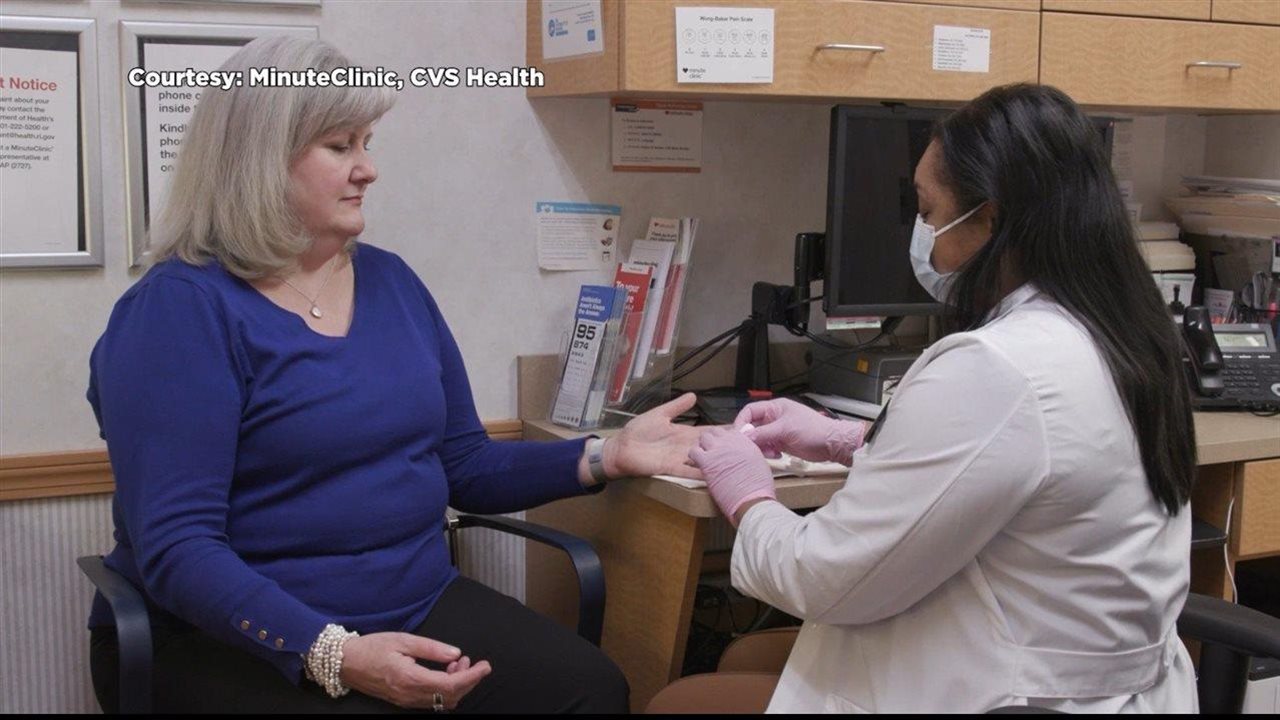
While the health care system can't be fixed overnight, segments of the health care industry are stepping up to make everyday care more accessible, affordable and connected for American families — namely, retail health. Take MinuteClinic for example, the medical clinic inside more than 800 CVS Pharmacy stores. MinuteClinic brings trusted health care to where people already are, on their terms with same-day care, transparent pricing and convenient in-person, virtual and digital care options.
Expanding access and affordability
Retail health has become the front door to care for millions of Americans who are priced out or locked out of the traditional healthcare system. More Americans are facing higher out-of-pocket costs, with roughly 4 in 10 privately insured adults enrolled in high-deductible health plans. For many patients, these increased costs can prevent them from seeking care at all.
Convenience also plays a major role in delayed care. When a patient can't find an appointment that works with their schedule, they may wait until their symptoms get worse, if they go at all.
Given these two critical barriers to traditional healthcare visits, it should come as no surprise that patients are turning again and again to retail health as an affordable, accessible option. In fact, according to L.E.K. Consulting, two-thirds of retail clinic users say they keep coming back for the convenience and cost savings.
Instead of waiting for treatment, a patient with sick symptoms could connect with a board-certified health provider with MinuteClinic Virtual Care which is available 24/7 nationwide including holidays. Patients can access care with or without insurance, and MinuteClinic offers an upfront $89 cash-pay option. It's the kind of care that fits into many patients' budgets and schedules.
In addition to routine care, retail clinics provide other critical care options, such as weight-loss care and support for chronic conditions like diabetes and heart health. Through a $29 digital weight-loss visit, eligible patients can connect with a licensed clinician who can evaluate whether GLP-1 treatment may be appropriate for their needs. Those who begin treatment can continue working with MinuteClinic providers for follow-up care, medication adjustments and ongoing support.
Closing the primary care gap
Primary care is often the best place for preventive care, wellness visits and long-term condition management. However, there aren't enough providers to meet America's needs.
According to the Health Resources & Services Administration (HRSA), over 100 million Americans live in a federally designated primary care shortage area. As a result, new patients now wait an average of 31 days for a primary care appointment nationally, up 19% since 2022.
The good news is that retail health care clinics are a fast-growing option for patients who would otherwise have to wait a month or longer for primary care. Right now, adults can access primary care at more than 65% of MinuteClinic locations across 17 states and Washington, D.C., through payer and health system affiliations.
Since its launch in 2024, 60% of MinuteClinic Primary Care patients have returned for a wellness exam within six to eight weeks, and 15% of acute-care patients have chosen to establish primary care with MinuteClinic. These numbers are an encouraging sign that people who previously lacked a regular doctor are reengaging with their care. Whether a patient visits MinuteClinic in-person or virtually, they now have multiple easy ways to stay connected to quality health care.
Innovations to watch for
Virtual care is no longer a niche health option. It's a permanent part of the health care system and is continuing to grow. According to Global Market Insights, the global telehealth market is on track to nearly triple in under a decade, from $140.7 billion in 2025 to a projected $403.2 billion by 2034, as virtual care becomes a permanent fixture rather than a pandemic-era stopgap.
As patients become more comfortable with digital care, new tools are emerging, like care through secure messaging. This digital option gives patients another way to get treated for common conditions in minutes, without taking time off from life or work.
For example, patients in select states can now access Care Consult, MinuteClinic's $29 option for receiving care digitally without a live video or in-person visit. This innovative option offers patients care for conditions like weight management, UTIs, sinus infections, acne and pink eye, with every case reviewed by a MinuteClinic provider.
Care on your terms
In a world of escalating health care costs and longer waits for care, the retail health care revolution is here, and it's helping people get the quality health care they need on their schedule and for an affordable cost. To learn more or schedule an appointment, visit MinuteClinic.com or download the CVS Health app.


