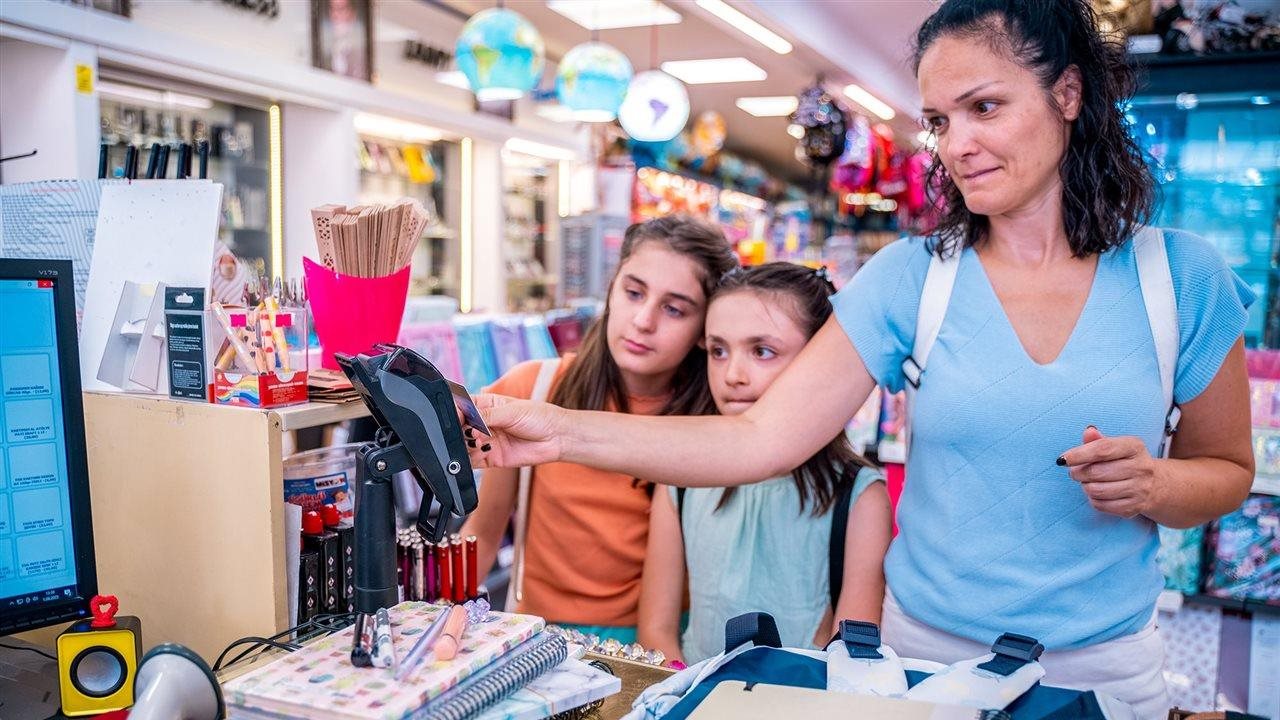
Report estimates a household with four smartphone users could save about $112 a year.
As families prepare for the school year, many are looking closely at the cost of school supplies. A recent report by economist Sumit Sharma estimates that U.S. consumers could save $9 billion a year if app distribution faced more competition.
For a household with four smartphone users, the report estimates savings of about $112 a year — enough to cover a typical school-supply list for an elementary-school student.
The report examines how Apple and Google control the distribution of most mobile apps. According to the study, Apple controls all iOS app distribution, while Google controls about 90% of Android app distribution.
The report estimates that Apple and Google charge an effective average commission of about 26% on app purchases and subscriptions. In a more competitive market, with alternative app stores, direct web installation and more payment options, the report estimates that distribution costs could move closer to standard payment-processing rates.
More competition will give families more choice in how they pay for apps, where they get them and which privacy, safety and parental-control features they use.
According to the report, developers are prohibited from directing users to cheaper purchasing options outside Apple's and Google's app stores, a restriction that eliminates price competition and locks consumers into the gatekeepers' higher-priced services. It will also give smaller developers and startups a fairer way to reach customers without relying on one gatekeeper's app store, payment system and set of commercial terms.
The report was prepared for the Coalition for App Fairness and is based on publicly available information. Read the full report.
Learn more about how legislation such as the App Store Freedom Act and the Open App Markets Act can increase competition and lower prices for families.


