Key takeaways:
- Half (51%) of U.S. adults managing diabetes with mealtime insulin delivered by pen or syringe/vial say they miss or skip doses.
- Missing a dose isn't carelessness; it's the difficulty of managing diabetes with mealtime insulin injections.
- Dealing with mealtime insulin can affect practically every part of a person's life, from psychological well-being to being able to do a job.
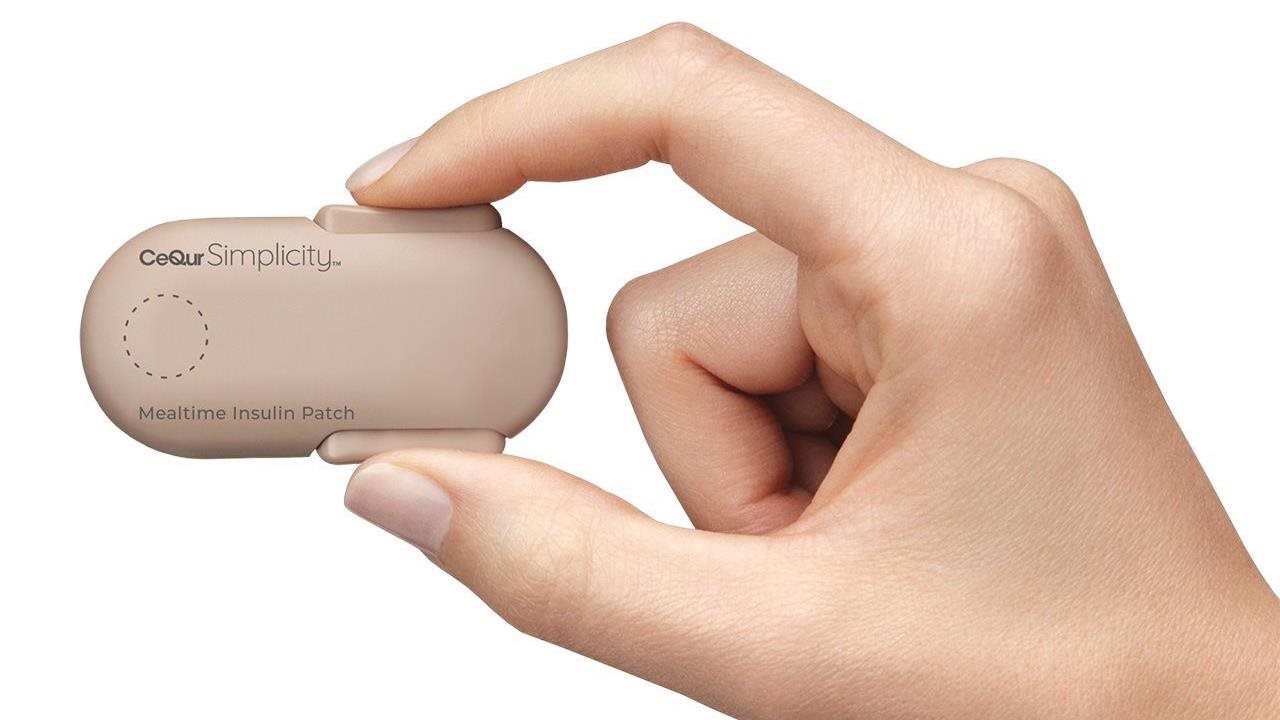
- CeQur Simplicity is a wearable mealtime insulin patch: not a pen and not a pump.
- To learn more, visit www.myceqursimplicity.com.
Meals happen: at a restaurant with friends, at a desk between meetings or around the family table. Regardless, a person who takes mealtime insulin injections must pause, access supplies and take a dose, often in public. It's a quiet calculation done several times a day, making diabetes care particularly burdensome.
For many people, the hardest part of mealtime insulin injections is making that dose fit into ordinary life. Given the demanding nature of mealtime insulin dosing, it's not surprising that some people may miss a dose. In fact, a new CeQur/Harris Poll survey finds that half (51%) of U.S. adults managing diabetes with mealtime insulin delivered by pen or syringe/vial say they miss or skip doses, and one in five (21%) misses a dose at least once a week.
Why mealtime insulin doses get missed
Missing a dose isn't a sign of carelessness. It's a sign that managing diabetes with mealtime insulin injections can be challenging to incorporate into ordinary life. The study's results underscore this reality.
Among those who miss doses (and answered the public-setting question), seven in 10 (70%) have missed a dose because they were in a public setting. Across all 409 respondents, 52% do not always carry their mealtime insulin supplies when they leave home.
These reasons highlight an important reality: Even people who are committed to managing their diabetes can find it challenging to fit multiple mealtime injections into the flow of everyday life.
The far-reaching impact of managing mealtime insulin
The strain of managing mealtime insulin extends beyond the injection itself and into other facets of life. The survey found that among all respondents, managing mealtime insulin has affected their:
- Psychological well-being (54%).
- Daily responsibilities (49%).
- Recreational activities (47%).
- Enjoying time with friends and family (45%).
Additionally, among those respondents who are employed, 61% said it has affected their ability to do their job effectively.
"Patients who have diabetes live with it 24/7, and injecting insulin multiple times a day impacts their whole life, everything," said Jennifer Goldman, PharmD, CDCES, professor of pharmacy practice at the Massachusetts College of Pharmacy and Health Sciences in Boston and director of cardiometabolic services at Well Life in Peabody, Massachusetts. "People know they're supposed to take their insulin, but life gets in the way. Do I have my pens? Do I have needles? Will there be a clean place to put my things out? Am I going to have to use a public bathroom to inject myself? That's where someone makes a conscious decision and says: I'm just not going to do it."
The answer to missed injections: Having your insulin already on you.
Mealtime insulin needs to be easier to take. The good news is there are now options to help.
CeQur Simplicity is a wearable mealtime insulin patch, not a pen and not a pump. Two new dosing options are available in November and can be worn for up to seven days: a 2-unit-per-click patch and a 1-unit-per-click patch, each dosing rapid-acting insulin and each replacing 21 mealtime injections.
How? The insulin is already on the body. The patch is designed so there's nothing to carry, nothing to pull out at the table and nothing to forget at home. It's always with you, just a click away.

People know they're supposed to take their insulin, but life gets in the way.
Jennifer Goldman, PharmD, CDCES
How one person with diabetes built his mealtime treatment around an active lifestyle

Clyde Settle, 63, a commercial pilot from Central Florida, understands firsthand that diabetes management doesn't take a break just because life gets busy. During a routine physical in 2009, he was diagnosed with Type 2 diabetes.
For more than a decade, Clyde managed his condition with oral medication. However, his numbers continued to climb. Eventually, his endocrinologist identified the problem and Clyde still remembers how he explained it: his pancreas was still producing insulin, but it was "doing 30 miles an hour when it should have been accelerating to get on the expressway." The gap, his doctor told him, was at meals.
Clyde's work has often taken him away on multiday trips, and he races gravel bikes, an active lifestyle that can make any regimen, but especially mealtime insulin injections, harder to maintain. With that in mind, his doctor recommended he also try CeQur Simplicity for mealtime insulin.
"I noticed using the CeQur Simplicity patch prior to meals was eliminating those spikes and bringing my A1C down," Clyde said. His experience is his own, and individual results vary.
No delivery method erases the work of living with diabetes, but some can make managing diabetes easier to fit into daily life. Talk with your doctor about whether CeQur Simplicity, a wearable mealtime insulin patch, is right for you and learn more at www.myceqursimplicity.com.
Methodology
This survey was conducted online within the United States by The Harris Poll on behalf of CeQur from August 10 - 13, 2026, among 409 U.S. adults ages 18 and older managing diabetes with mealtime insulin delivered via pen/syringe/vial. The sampling precision of Harris online polls is measured by using a Bayesian credible interval. For this study, the sample data is accurate to within +/- 6.5 percentage points using a 95% confidence level. This credible interval will be wider among subsets of the surveyed population of interest. For complete survey methodology, including weighting variables and subgroup sample sizes, please contact [email protected].


