Key Takeaways
- It's important to understand the differences between gas- versus battery-powered lawn mower models.
- Many battery-powered mower owners are dissatisfied with issues around their performance, convenience and cost.
- A recent study reveals what consumers have discovered about disadvantages of battery-powered mowers.
- Compared to battery-powered mowers, gas mowers offer longer runtime, higher torque, stronger performance and better durability, among other benefits.
- Gas-powered lawn mowers from Briggs & Stratton are durable, easy to use and deliver peak power from start to finish.
Did you know that 92% of battery-powered lawn mower owners who replaced their original battery did so within the first two years of ownership? This is one of many surprising insights from a study* conducted by Hanover Research revealing details about experiences consumers have had with battery-powered mowers — and why they may not make that choice again.
If you've shopped for a lawn mower in 2026, or recently purchased one, you may not have considered the value of basic engine power. In today's market where battery-powered mowers are everywhere, it's easy to overlook the long-term reliability offered by traditional gas mowers.
Here are key facts you should know before making your next mower purchase — especially if you're one of the 64% who bought a battery mower five years ago and are now "highly likely to consider gas-powered mowers" in the future.*
The main differences between gas and battery lawn mowers
The difference between gas and battery lawn mowers doesn't start and end with how they're powered.
One of the key advantages to know about gas-powered mowers is that they offer a longer run time. For homeowners with larger yards, being confident you can finish the job without having to stop and recharge a battery makes a big difference. In fact, the Hanover Research study found that 25% of battery mower users needed more than one charge to cut their lawn.

Other key benefits that gas-powered mowers offer include:
- Powerful, sustained torque that can even tackle long, thick or wet grass
- Durable, long-running engine power you can rely on
- Faster time to refill a gas tank (45 seconds) versus recharging a battery (45 minutes)
In addition, gas mowers score ahead of battery mowers for cutting grass more evenly and for bagging grass more efficiently. Using a battery mower, 30% of homeowners find that they're cutting more often, and 11% are cutting much more often, compared to using a gas mower.*

92% of battery-powered lawn mower owners who replaced their original battery did so within the first two years of ownership.
The hidden costs of running a battery-powered mower
The upfront price of battery-powered lawn mowers is generally higher than gas-powered models, which matters when you're trying to stick to a household budget.
In addition, the lithium-ion batteries needed for battery-powered mowers, which will need to be replaced at least every three to five years, can cost up to $500 dollars per battery or more.
The Hanover study actually found that 50% of battery mower owners had to replace their battery as early as year two. Some users of battery mowers found that battery capacity diminished over time (25%), experienced poor battery performance (14%) or discovered that the battery took too long to charge (20%). Batteries can also overheat, shut down or lose two-thirds of their runtime when cutting thicker grass.
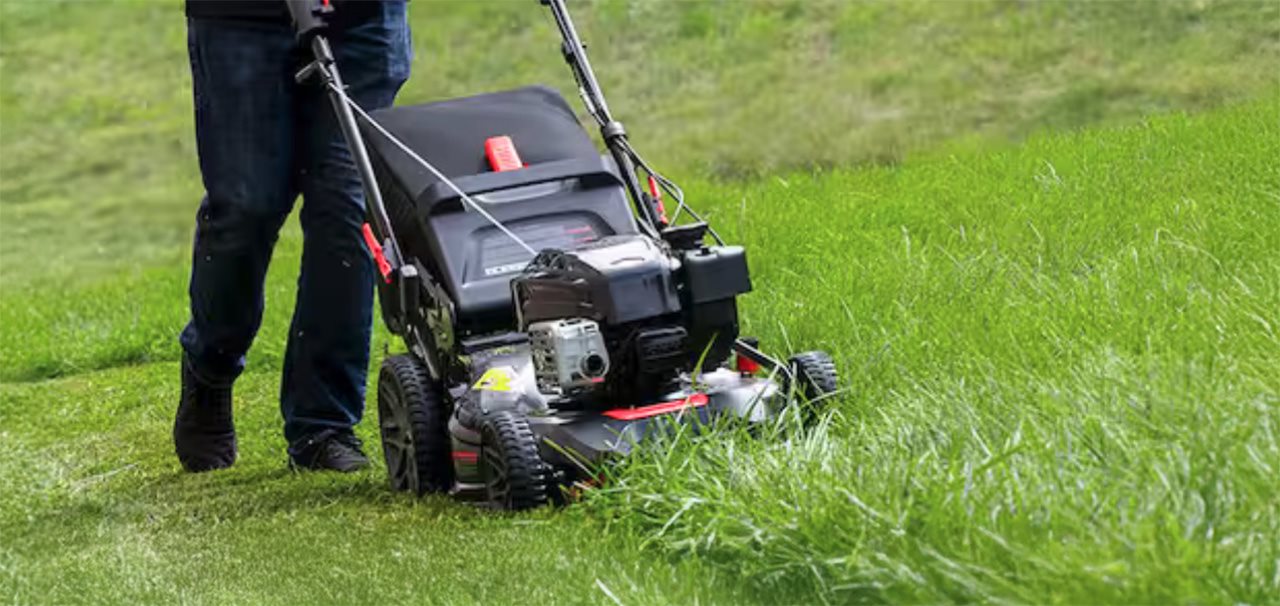
Of those who replaced their original battery, 83% replaced it to increase capacity/runtime, and 78% felt that the original battery "should have lasted longer."
When repairing or replacing parts for lawn mowers, battery-powered mowers can also cost far more to repair, as they may involve expensive component replacement costs and specialized diagnostics not found in traditional gas-powered motors.
How to find a good quality gas-powered mower
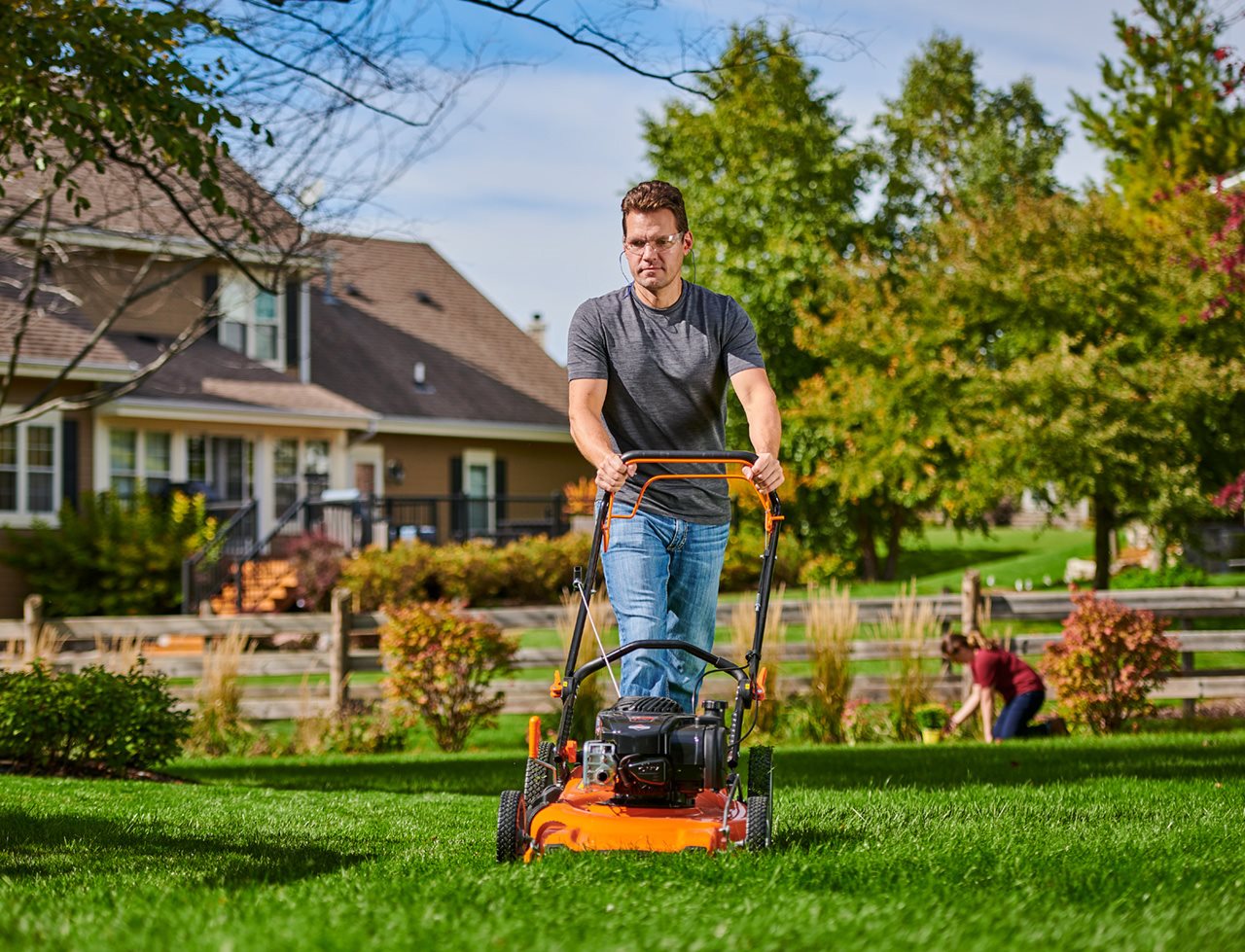
Sometimes the classics become — and stay — classics for good reason. When you're in the market for a new lawn mower, consider a gas-powered mower from Briggs & Stratton. They offer sustained torque and virtually unlimited runtime, with a multi-decade history of durability. Their gas-powered mowers offer a long-term investment you can rely on every time, season after season.
Visit BriggsAndStratton.com to find your next favorite mower.
*The Electric Mower Sentiment Study, conducted by Hanover Research, was completed in June 2024 and had 593 respondents.


