
Do you have high blood pressure? If you're not sure, it's time to get tested.
According to the Centers for Disease Control and Prevention (CDC), high blood pressure (also known as hypertension) is one of the most widespread chronic conditions in the U.S., affecting over 71% of U.S. adults aged 60 and older.
Despite its prevalence, many older adults are unaware of their risk or their blood pressure status, and often find out when it's too late.
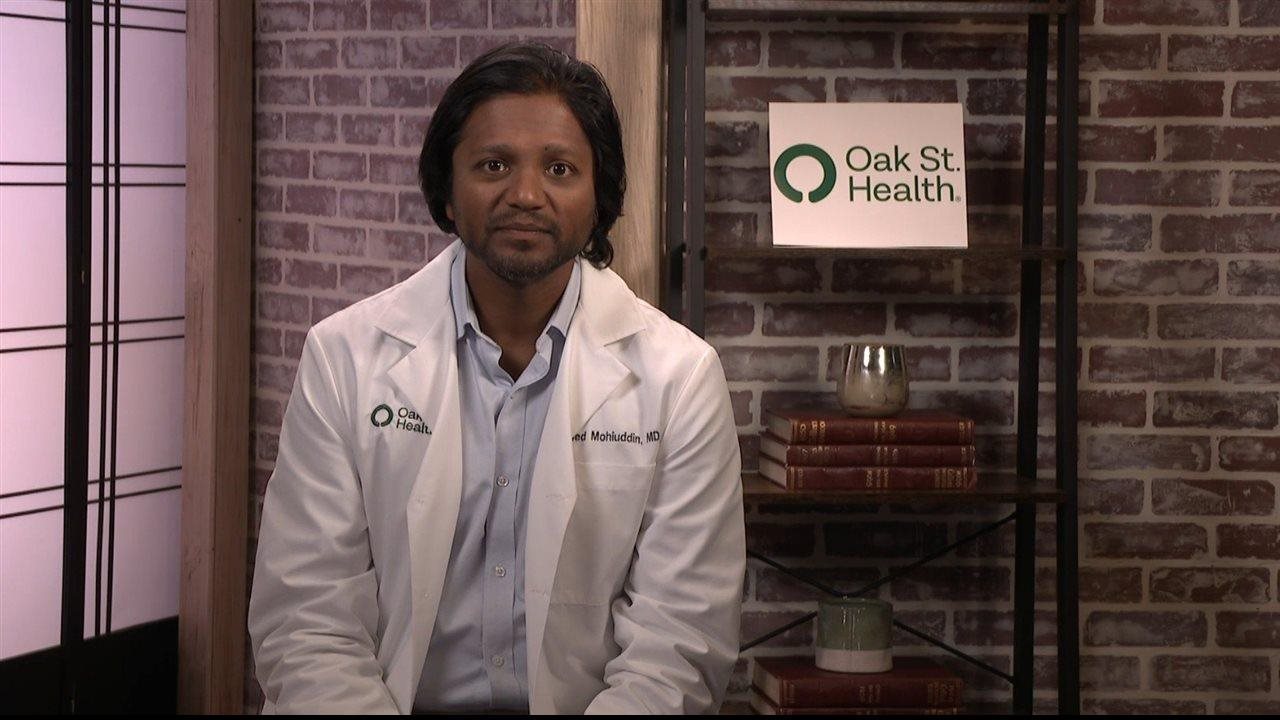
"When I think of high blood pressure, I think of the circulatory system," said Dr. Ahmed Mohiuddin, Senior Medical Director at Oak Street Health. "We have blood vessels that run down to our feet and up to our brain. When the pressure in those vessels is high, it can cause damage and lead to kidney and heart disease. High blood pressure can even cause a heart attack or stroke and predispose you to dementia."
The silent health threat
When your blood pressure is higher than normal, the force pushes against your arteries, damaging the vessels and making them more prone to the accumulation of fatty deposits that restrict blood flow to other parts of your body.
Older adults are at higher risk of developing high blood pressure because of the natural effects of aging. As you age, arteries stiffen, which can lead to higher blood pressure levels.
High blood pressure has very few, if any, warning signs or symptoms, and many adults don't even know they have it.
Early detection and lifestyle changes are key to management
The good news is that high blood pressure is a manageable condition. Early detection through routine testing and lifestyle changes can make a huge difference in improving your blood pressure.
Make sure to talk with your primary care provider about testing your blood pressure level during routine physical exams and at home when recommended.
If testing reveals that you have high blood pressure, you don't have to overhaul your life to keep your levels in check. Simple lifestyle changes can help lower your blood pressure. Some adjustments you should consider include:
- Improving your diet (reducing salt and processed foods)
- Managing stress
- Getting enough sleep
- Staying active
Don't wait
When it comes to high blood pressure, ignorance is not bliss. Knowing if you have high blood pressure and taking proactive steps can go a long way in keeping you healthy for years to come.
"Developing high blood pressure is not inevitable," said Dr. Mohiuddin. "Routine screenings allow us to help patients prevent high blood pressure or treat it early before it causes damage."
Now is the time to discover your blood pressure levels and create a care plan with a trusted healthcare provider. For care tailored to improve the health of older adults, consider making an appointment at Oak Street Health.
Founded in 2012, Oak Street Health supports older adults in managing high blood pressure by treating the whole person through care teams that include social workers, behavioral health specialists and community health workers who help patients navigate obstacles on their journey to a healthier life.
To learn more about Oak Street Health and find a location near you, visit OakStreetHealth.com or call 888-744-6392.


