For many older adults, independent aging isn't about doing more — it's about continuing to do the things that matter. Talking with family, managing a schedule, calling a doctor with a question instead of waiting. Yet for millions of Americans, untreated hearing loss quietly makes those everyday moments harder, often leading to frustration, isolation and reliance on others.
Hearing loss is one of the most common conditions associated with aging, affecting nearly one in three adults over 65. Still, it often goes unaddressed. Cost concerns, stigma and the belief that "it's not that bad yet" can delay action for years. In the meantime, missed words can turn into missed connections, which can gradually erode confidence and independence.
"We hear from older adults every day who don't realize how much hearing loss is shaping their independence until they start avoiding conversations altogether," said Mike Strecker, Chief Regulatory and Compliance Officer of ClearCaptions. "When communication becomes difficult, people often withdraw — not because they want to, but because it feels exhausting or embarrassing. Addressing hearing loss is really about preserving connection, dignity and autonomy."
Communication is foundational to aging well
Research consistently shows that staying socially and cognitively engaged is a key pillar of healthy aging. Phone conversations, in particular, play an outsized role. They're how many seniors schedule transportation, refill prescriptions, connect with care teams and stay emotionally connected to loved ones.
But standard phones aren't designed with hearing loss in mind. Background noise, unclear audio and fast-paced conversations can make even short calls exhausting — or impossible.
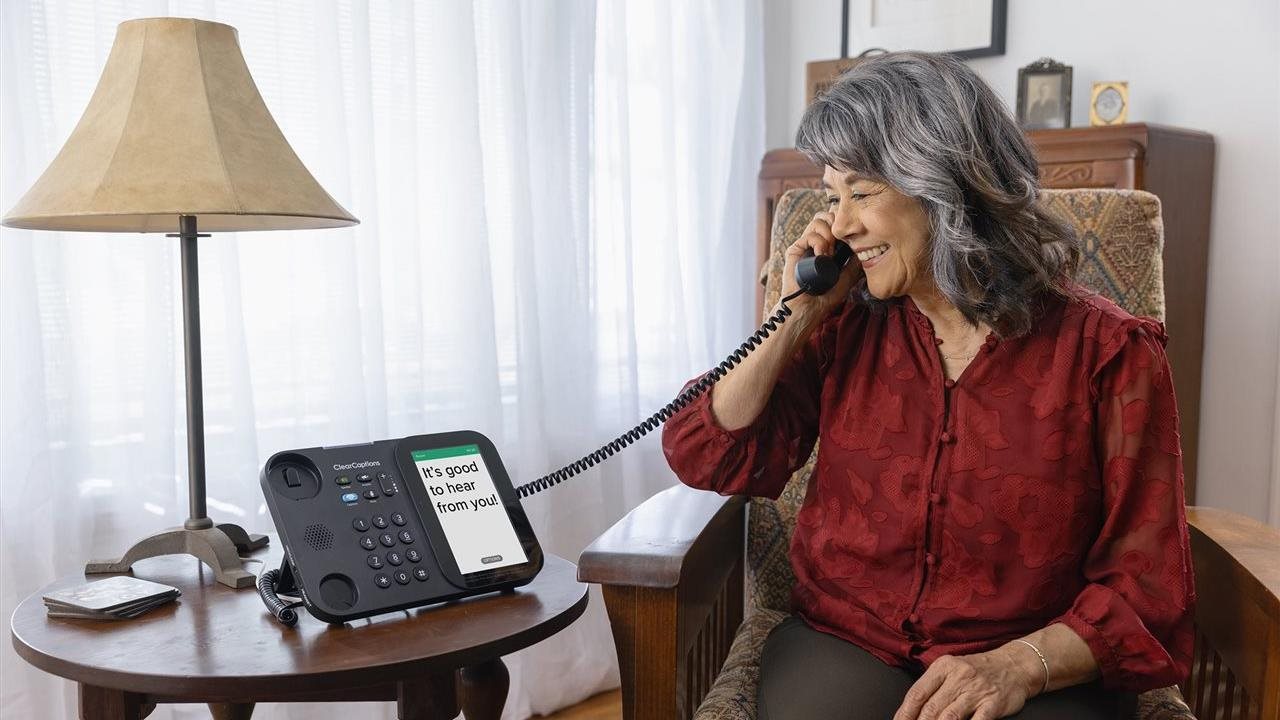
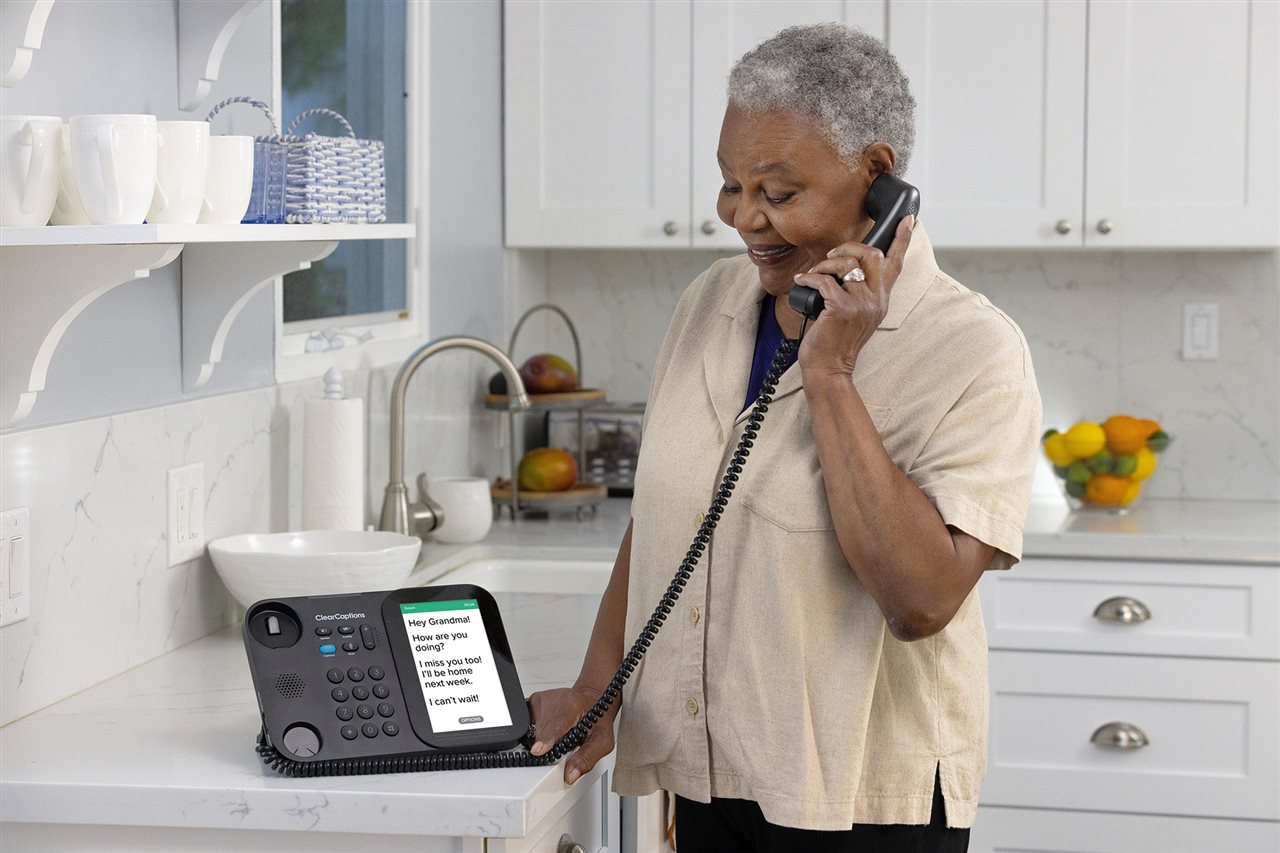
Captioned phones offer a different reality. By displaying near real-time captions of what the caller says, they allow people with hearing loss to read along while listening, reducing strain and helping ensure nothing important is missed.

Why "free" raises eyebrows
When people first hear about phones with captioning services that are available at no cost, skepticism is natural. In a world of robocalls and too-good-to-be-true offers, older adults and their families are rightly cautious.
So how can a specialized phone be free?
According to Strecker, a federally certified Internet Protocol Captioned Telephone Service (IP CTS) provider, the answer lies in federal accessibility policy, not marketing gimmicks or predatory schemes. Captioned telephone service is funded through the Federal Communications Commission (FCC) via the Telecommunications Relay Service (TRS) Fund. This federal fund was created to allow persons who are deaf, hard of hearing, deafblind, or have speech disabilities to communicate by telephone in a manner that is functionally equivalent to telephone services used by persons without such disabilities.
For individuals whose hearing loss prevents them from using their telephone and who certify under penalty of perjury, the phone, captioning service and user support are at no-cost to the customer thanks to the FCC's TRS Fund. There's no requirement to provide a credit card, no subscription fee and no obligation to purchase additional products.
Advocates note that skepticism is understandable given how many scams target older adults — but this captioning service (IP CTS) is free because it is part of a government-backed service that is funded in order to increase accessibility under Title IV of the Americans with Disabilities Act (ADA), similar in spirit to closed captions on television.
What to look for to avoid scams
Still, not all offers are created equal. Advocates recommend examining a few key details to confirm legitimacy:
- Check FCC registration: Legitimate captioned phone providers are registered with the FCC and can be found at fcc.gov.
- No pressure tactics: Reputable services don't rush decisions or use scare tactics.
- Clear eligibility explanation: You should be told why you qualify and what certification is required.
- No payment requests: There should be no upfront or hidden fees for eligible users for the service.
Trusted providers also offer transparent user support and clear privacy policies, helping users feel confident that their information — and conversations — are protected.
A small change with outsized impact
For many older adults, using a captioned phone isn't about adopting new technology so much as it's about removing a barrier.
"[Using a captioned phone] was the first time I called my sister who lives 2,000 miles away, and I didn't miss anything she said. I was so happy I cried," said Lynn T., a user who embraced this technology.
Captioned phone users often describe feeling more confident making calls on their own, less dependent on family members to "translate," and eager to be socially engaged.
That sense of autonomy matters. Studies link untreated hearing loss to higher risks of social isolation, depression and cognitive decline. Tools that support clearer communication can help interrupt that cycle, reinforcing independence rather than diminishing it.
Reframing help as empowerment
As the population ages, conversations about independence in aging are evolving. The focus is shifting away from "getting by" toward proactively supporting quality of life. Meaningfully addressing hearing loss is part of that shift.
Captioned phones won't solve every challenge associated with aging, but they can make everyday communication easier and more dignified. When they're made free and accessible through a legitimate, federally funded program, there's no catch, just a public resource.
For older adults who value staying connected on their own terms, clearer conversations may be one of the simplest ways to support independence.
To learn more about captioning services, visit https://clearcaptions.com/lp-mat/.


