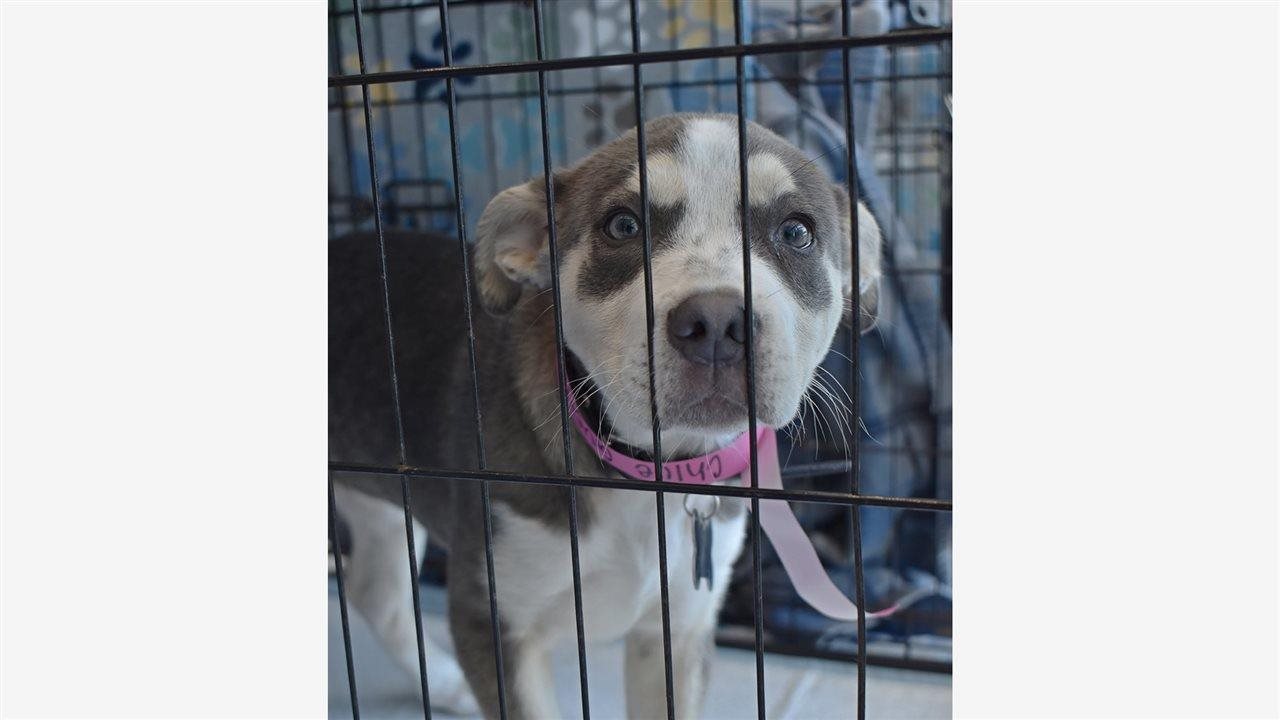
Since their domestication, pets have brought love, warmth and companionship to the humans who love them. For animal lovers, the thought of their pets living on the street without food, shelter or medical attention is heartbreaking. However, the reality is that thousands of pets become strays, creating a safety and health issue for these animals and the communities they inhabit.
In the U.S. alone, there are an estimated 70 million homeless dogs and cats. Of these pets, only 6.5 million ever make it to a shelter or rescue, leaving millions to wander the streets without food, clean water, shelter or the love of a family.
Companion animals aren't the only ones that suffer. Stray and uncontrolled animals threaten public safety, community health and the welfare of humans and pets alike.
For example, an estimated 3.9 million people suffer a dog bite in the U.S. annually, with nearly 850,000 seeking some degree of medical care. Pediatric patients account for the highest rate of dog-bite-related emergency department visits. While many bites are nonfatal, Centers for Disease Control and Prevention data show a notable increase in deaths from being bitten or struck by a dog over the last decade.
Dog bites aren't just a threat to public safety; the risk of rabies transmission from a dog bite poses a risk to community health. Because strays are often unvaccinated, humans are at an increased risk of exposure, requiring costly post-exposure treatment.
Ultimately, the presence of stray animals that lack socialization and exhibit aggressive behaviors negatively impacts community engagement and residents' quality of life. In some neighborhoods, families are afraid to let their children play outside or walk to school, older adults are reticent to leave their homes and pet owners fear walking their dogs because of the very real possibility of an animal attack.
There isn't a magic-bullet solution to this crisis. No one person or organization can solve an issue on such a scale. That's why PetSet, a Houston-based animal welfare nonprofit, has focused its efforts on collaborative community action. By galvanizing individuals, organizations and political leaders to work in concert, PetSet (formerly Houston PetSet) is changing the narrative around the pet homelessness crisis and improving the lives of pets and people in Houston and beyond.
From on-the-ground impact to systems-level change
Since 2004, PetSet has united people, partners and policymakers to humanely solve the stray animal crisis and strengthen community safety. Although the nonprofit started in Houston, Texas — a city that faces one of the most significant companion animal overpopulation challenges — PetSet's recent name change reflects the organization's desire to meet the challenges of companion animal homelessness head-on wherever the need is greatest.
"When you witness the suffering these loyal, loving creatures go through, it's impossible to ignore," said Tena Lundquist Faust. Tena and her sister Tama Lundquist serve as co-presidents of PetSet. "Humans domesticated them, so it's our moral obligation as individuals and as a community to take care of and advocate for them."
To drive long-term, measurable impact on the lives of pets and humans, PetSet focuses on six pillars of action: Free spay and neuter programs; cruelty prevention; community service and education; rescue, adopt and transport; advocacy; and research.
These six pillars can't be achieved alone. They require community action to solve a community problem.
"Our belief in collaborative, community solutions fuels all of our PetSet initiative," said Tama. "It's what inspires me, my sister and our partners to keep fighting for a better future for every pet in need in Houston, the state of Texas and beyond."
One of the best examples of PetSet's belief in collaborative action is its community grants program. The program distributes financial grants to community partners to support their boots-on-the-ground work that saves animals and transforms communities.
In 2025 alone, PetSet's financial grants program:
- Awarded over $400,000 to 114 community organizations.
- Granted more than $350,000 in emergency medical care.
- Raised more than $10,000 for Kerrville Pets Alive to support animals affected by the Central Texas floods.
- Distributed more than 200 dog houses, crates and straw to protect outdoor pets during extreme winter conditions.
Prevention is the best solution
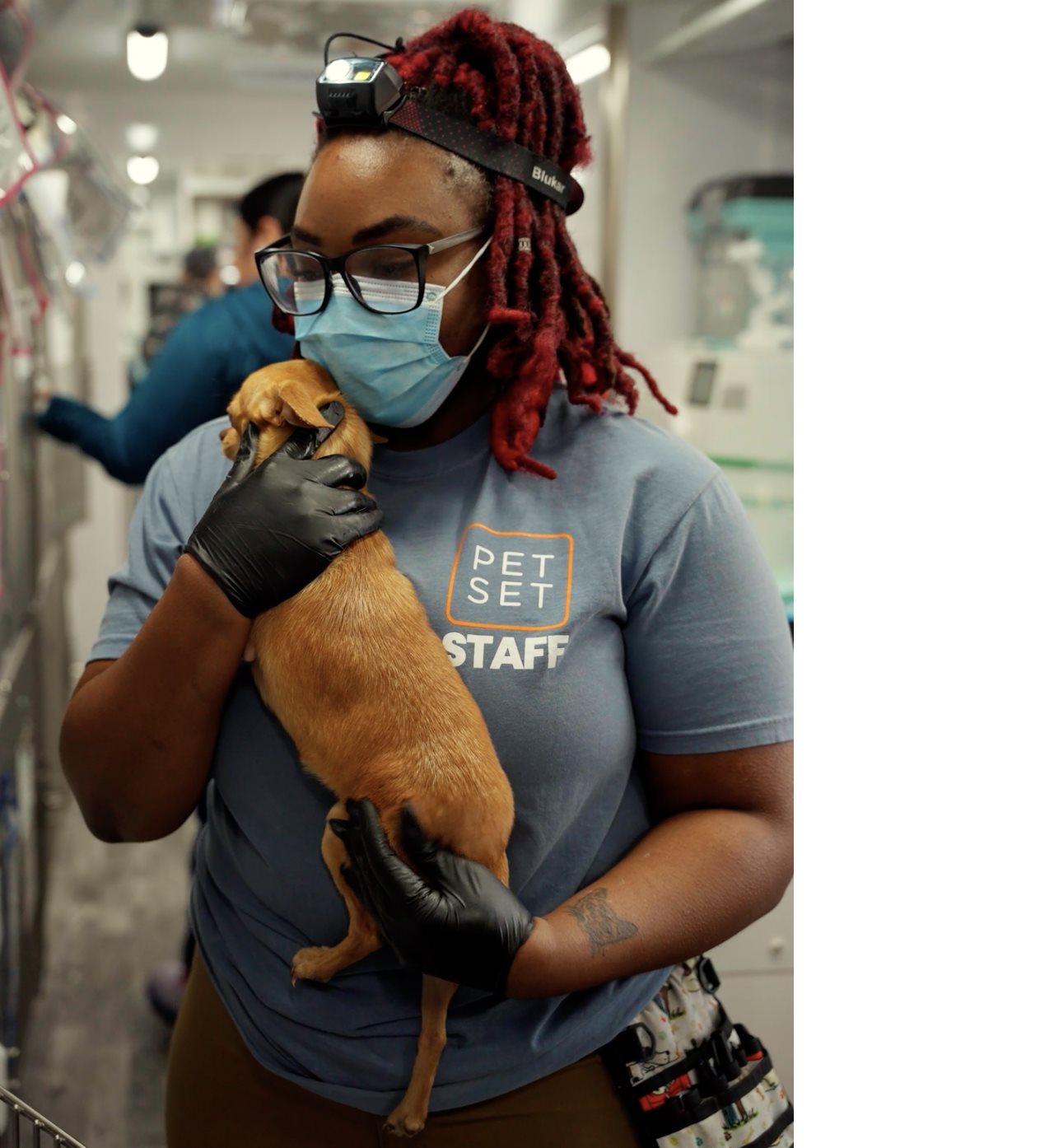
Financial support isn't the only way PetSet addresses companion animal homelessness. The bulk of its work focuses on prevention.
Scalable, prevention-based solutions are the most cost-effective and humane way to reduce shelter intake and long-term municipal costs. Some of the many preventive solutions PetSet supports include:
- Enforcement of existing laws, such as the Safe Outdoor Dog Act
- Expanded access to spay and neuter services (more than 26,800 completed since 2022)
- Vaccinations and preventive care
- Strategic transport to reduce overcrowding
- Data-driven partnerships with local governments, shelters and community organizations
"Animal homelessness is entirely preventable," said Tama. "Adoption, while admirable and wonderful, is a solely reactive solution that doesn't address the root causes of the animal overpopulation crisis. What many people don't realize is that most homeless animals don't start as strays, they come from owned pets. Unplanned litters are one of the biggest drivers of the crisis. That's why it's critical now more than ever to support and advocate for preventive measures."
Organizations, individuals and communities aren't the only ones investing in preventive solutions to the stray animal crisis. Governmental bodies are also taking note of the issue and making strides in reducing pet overpopulation in Texas.
During the most recent legislative session, Texas allocated $13 million of the state's budget for spay and neuter services, providing direct grant funding to shelters and nonprofits. This pilot program is a historic first step toward addressing the issue at scale.
"When education is not enough, legislation becomes necessary to better the lives of humans and pets," said Tena. "This state investment represents strong leadership by Texas lawmakers and demonstrates growing momentum to address the pet homelessness and overpopulation crisis through practical, bipartisan solutions."
Animal homelessness is not a foregone conclusion, but it is also not someone else's problem. It affects the safety of our neighborhoods, the health of our communities and the well-being of both people and pets. Whether it shows up as rising public health risks, preventable strain on local systems or families who no longer feel safe in their own neighborhoods, the impact is shared by all of us.
When we address animal homelessness at its root, we aren't just helping animals; we are building safer, healthier, and more resilient communities for everyone.
To learn more about how collaborative, preventive solutions can create safer communities for people and pets alike, visit Pet-Set.org.


