Atlantic hurricane season begins in June and runs through November, putting millions of homes at risk from destructive winds, wind-driven rain, storm surge and prolonged power outages. While coastal communities often experience the most visible impacts, hurricanes can cause significant damage hundreds of miles inland.
Last year's Atlantic hurricane season resulted in an estimated $55 billion-$61 billion in damage across the region. The Insurance Institute for Business & Home Safety (IBHS) research demonstrates that much of this damage is preventable when homeowners take steps to address common vulnerabilities before storms threaten.
For National Hurricane Preparedness Week, IBHS encourages homeowners to use its Hurricane Ready Guide, which translates decades of laboratory testing and post-storm field research into practical, science-based actions that can help homes better withstand hurricanes.
Below are key steps IBHS recommends homeowners take now, early in the season, and when a hurricane is approaching.
1. What you can do now
Homes perform best during hurricanes when critical weaknesses are addressed well before the season begins. Larger projects also take time to plan, and qualified contractors often become overbooked once storms are in the forecast. Taking action early gives homeowners more options and a better chance to make improvements that meaningfully reduce damage.
Strengthen your roof
The roof is your home's first line of defense from severe weather. When a roof fails, wind-driven rain can enter quickly and cause extensive interior damage. In IBHS testing, even small openings in the roof deck allow significant amounts of water inside a home. For every inch of rainfall, the equivalent of nine bathtubs of water can enter through gaps in the roof deck.
Before hurricane season starts, now is the time to have your roof inspected for age-related wear and storm damage. Pay close attention to the flashing around chimneys, seals around vents and skylights, as well as roof valleys and seams. Signs that a roof may need repair or replacement include:
- Cracked, curling or missing shingles
- Bald spots where protective granules have worn away
- Gaps between roof deck panels
- Moss or algae growth
When it's time to replace a roof, consider a FORTIFIED Roof™, which is based on IBHS research into how roofs perform under severe weather. In both laboratory testing and real-world storms, FORTIFIED Roof features such as improved roof deck attachment, reinforced roof edges, and sealed roof decks have been shown to reduce roof damage and limit water intrusion.
Upgrade your garage door
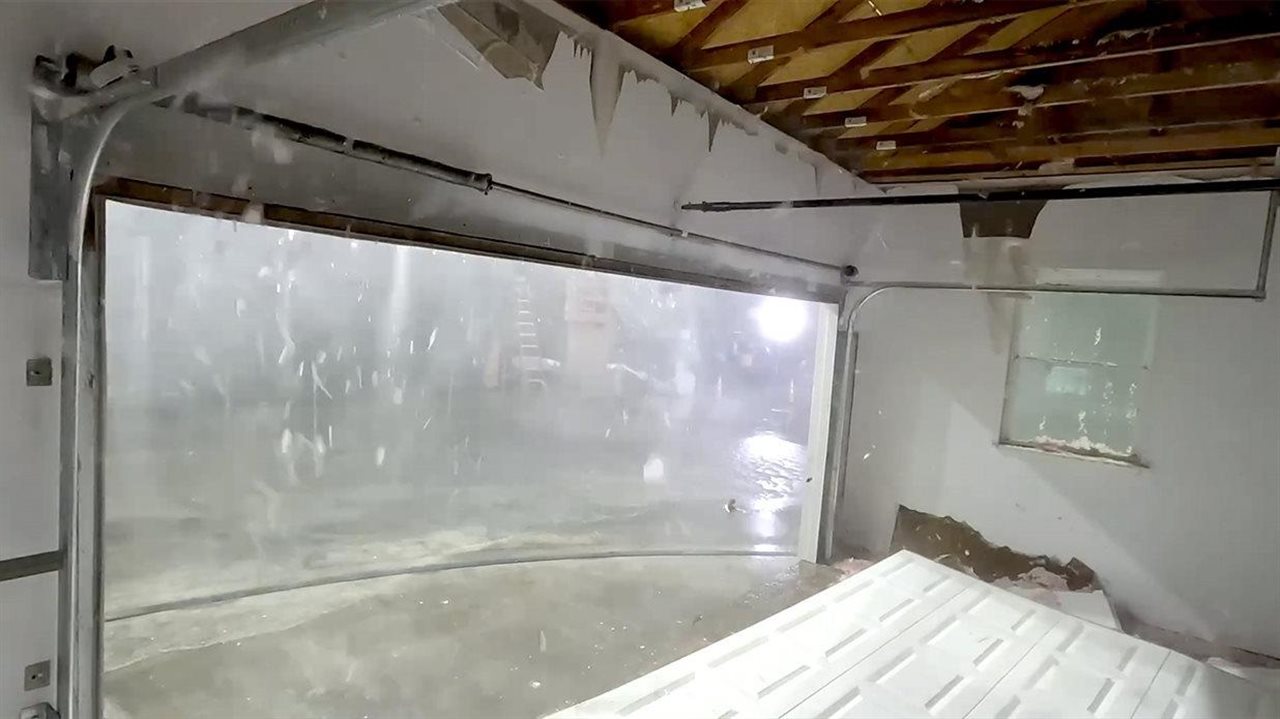
Another crucial failure point for structural damage is the garage door. When a garage door fails, strong winds can pressurize the home, increasing the risk of roof loss. One of the best ways to reduce this risk is by installing a wind-rated garage door. Homeowners should look for a permanent label inside the door that shows it is rated for both positive and negative wind pressures, measured in pounds per square foot (PSF).
Consult your local building code department or a qualified garage door professional to determine the wind rating required for your area and upgrade accordingly.
Make a plan
Preparedness isn't just about strengthening a home; it's also about knowing what to do when a storm threatens. IBHS recommends creating a household emergency plan that includes:
- A list of emergency contacts and essential services, including utilities, tree services and your insurance agent
- An evacuation plan, including where household members will go and an out-of-area contact person
- Emergency supply kits and individual "go bags" for each household member
Make sure this information is accessible both digitally and in a printed location inside the home and review the plan with everyone in the household before hurricane season begins.
2. Tasks to complete early in hurricane season
Routine maintenance plays an important role in limiting wind- and water-related damage. Take care of smaller tasks early in the season, including:
- Clearing gutters and downspouts
- Sealing exterior gaps and cracks with silicone caulk
- Adding weatherstripping as needed around doors and windows
- Trimming tree branches away from homes (consider hiring an arborist to remove large limbs or unhealthy trees)
- Anchoring outdoor play equipment
3. When a hurricane is on the way
Once a hurricane is in the forecast, be prepared to shelter in place or evacuate if necessary. Access reliable sources of information like forecasts from the National Hurricane Center (NHC), local news and the local National Weather Service (NWS) office. A NOAA weather radio is also helpful during hurricane season, ideally one with a hand crank that can provide critical updates during power outages. Wireless emergency alerts should also be enabled on mobile devices.
Secure outdoor lawn furniture or other loose items that could become dangerous projectiles in high winds. If your home has hurricane shutters, install them according to manufacturer guidance. If shutters are not available, use plywood that is at least 3/4-inch thick and properly fastened to protect windows.
IBHS encourages homeowners and business owners to take action before storms threaten. Its Hurricane Ready resources are built on years of research, testing and post-storm analysis designed to help reduce avoidable damage and speed recovery after hurricanes. Learn more at IBHS.org/hurricanereadyhome and IBHS.org/hurricanereadybusiness.


