By Patricia L. Turner, MD, MBA, FACS and James W. Fleshman Jr., MD, FACS, FASCRS
Every year, thousands of people dismiss symptoms such as rectal bleeding or a change in bowel habits, chalking it up to hemorrhoids, stress or something they ate. As surgeons, we want to share a crucial message that could save your life: never ignore these symptoms, no matter your age.
For decades, colorectal cancer was considered a disease primarily affecting older adults. Today, medical understanding has shifted significantly. We have seen a concerning rise in diagnosis in people under 50, making it a leading cause of cancer deaths in this younger population. People born in 1990 now have double the risk of colon cancer and quadruple the risk of rectal cancer compared to those born in 1950. Because of their age, their symptoms are often overlooked, leading to later-stage diagnoses when the disease is harder to treat.
Research presented at the most recent American College of Surgeons Clinical Congress emphasizes this point. In patients under 50, rectal bleeding was the strongest predictor of colorectal cancer, with an 850% increase in the odds of a diagnosis. Furthermore, 70% of these young patients had no family history, and 88% scheduled their colonoscopy due to symptoms, rather than as a routine screening.
What should you do if you notice something that doesn't seem right?
- Listen to your body. Pay attention to persistent changes. This includes a change in bowel habits (like new constipation or diarrhea), narrow or ribbon-like stools, a feeling that your bowels don't empty completely, bloating, or rectal pain or discomfort.
- Don't ignore blood. If you see blood in or on your stool, on the toilet paper, or in the bowl, do not assume it's "just" hemorrhoids whether it is bright red or dark in color. Note how often it happens and whether it's mixed in with the stool. Bleeding is a key warning sign that warrants an immediate discussion with your doctor.
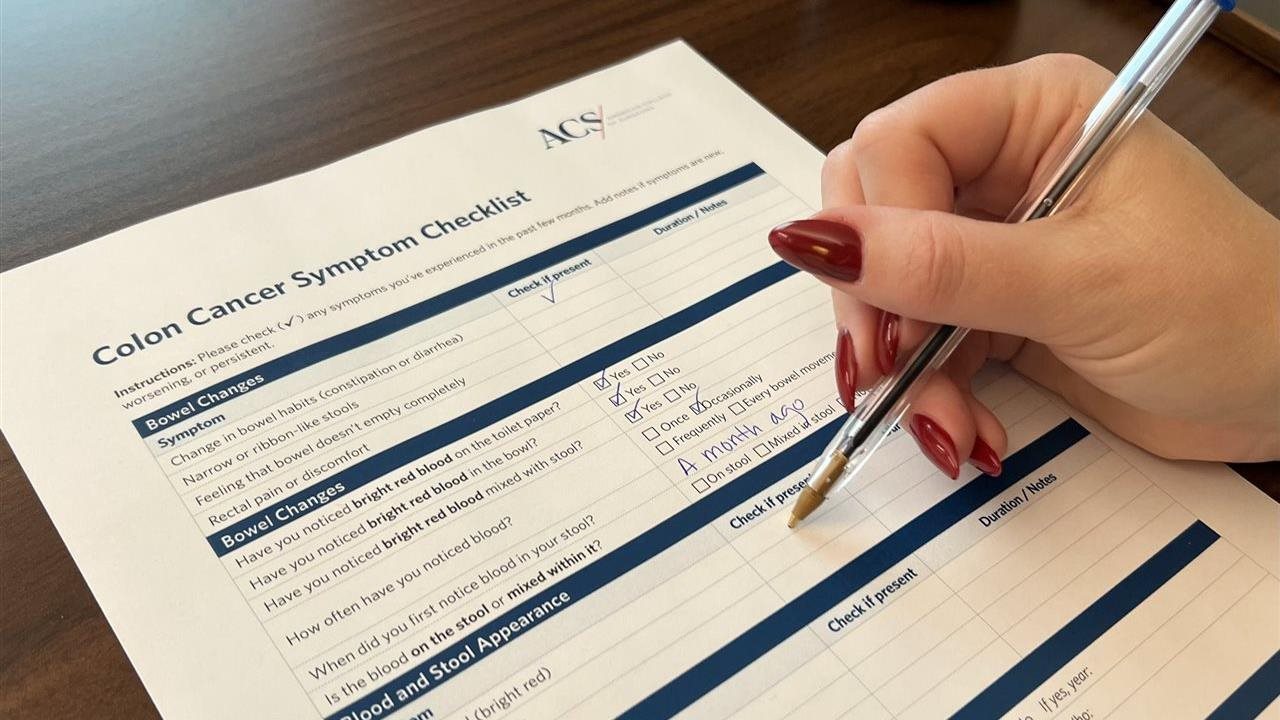
- Note general health changes. Unexplained weight loss, ongoing fatigue, bloating or a loss of appetite can also be signs that something is not quite right. The American College of Surgeons has a free Colon Cancer Symptom Checklist to help you track these symptoms and prepare for an informed conversation with your physician.
- Know your screening needs. If you are at average risk, begin regular screening at age 45. If you have a family history of colon cancer or polyps, or a condition like Crohn's or Ulcerative colitis, or certain other cancers, you may need to start even sooner.
Know the symptoms and when to act. By advocating for yourself, we can diagnose this disease early when it is most treatable.
Patricia L. Turner, MD, MBA, FACS is the Executive Director & CEO of the American College of Surgeons.
James W. Fleshman Jr., MD, FACS, FASCRS is a member of the Board of Regents of the American College of Surgeons and chief of surgery and Sparkman Endowed Professor and Chairman of the department of surgery at Texas A&M Health Science Center, Baylor University Medical Center.


