For people living with depression, post-traumatic stress disorder (PTSD) or other mental health conditions, ketamine therapy may offer an option when other therapies haven't worked. But if you are considering ketamine, either at a clinic or through a prescription obtained via telehealth, it's important to understand how your treatment is provided and what safeguards are in place to keep you safe.
The $5 billion ketamine therapy market is projected to nearly triple over the next decade, and the American Society of Anesthesiologists (ASA) is calling for stronger patient protections amid concerns that safety standards and oversight are not keeping pace. ASA urges patients to ask how the drug will be prescribed, who will oversee their care, and what safety and monitoring protocols will be in place.
Ketamine is approved by the U.S. Food and Drug Administration (FDA) as an anesthetic, but its use for mental health conditions is off-label. A related drug, esketamine, is FDA-approved for certain forms of depression and must be administered in a certified healthcare setting.
Because ketamine can affect breathing, heart rate and blood pressure and carries a risk of misuse, it should only be prescribed as part of a comprehensive treatment plan with medical supervision. Last year, a 41-year-old New York woman seeking relief from depression died after being prescribed at-home ketamine through a telehealth company — even though she had reported taking Xanax, a combination the FDA warns can dangerously suppress breathing.
"For decades, anesthesiologists have safely administered ketamine in hospitals and other medical settings where patients are carefully monitored, and we have grave concerns about home delivery and unsupervised use of ketamine," said ASA President Patrick Giam, M.D., FASA. "You can move very quickly from feeling relaxed to becoming deeply sedated, and without proper monitoring and supervision, that can become dangerous."
What safe ketamine care requires
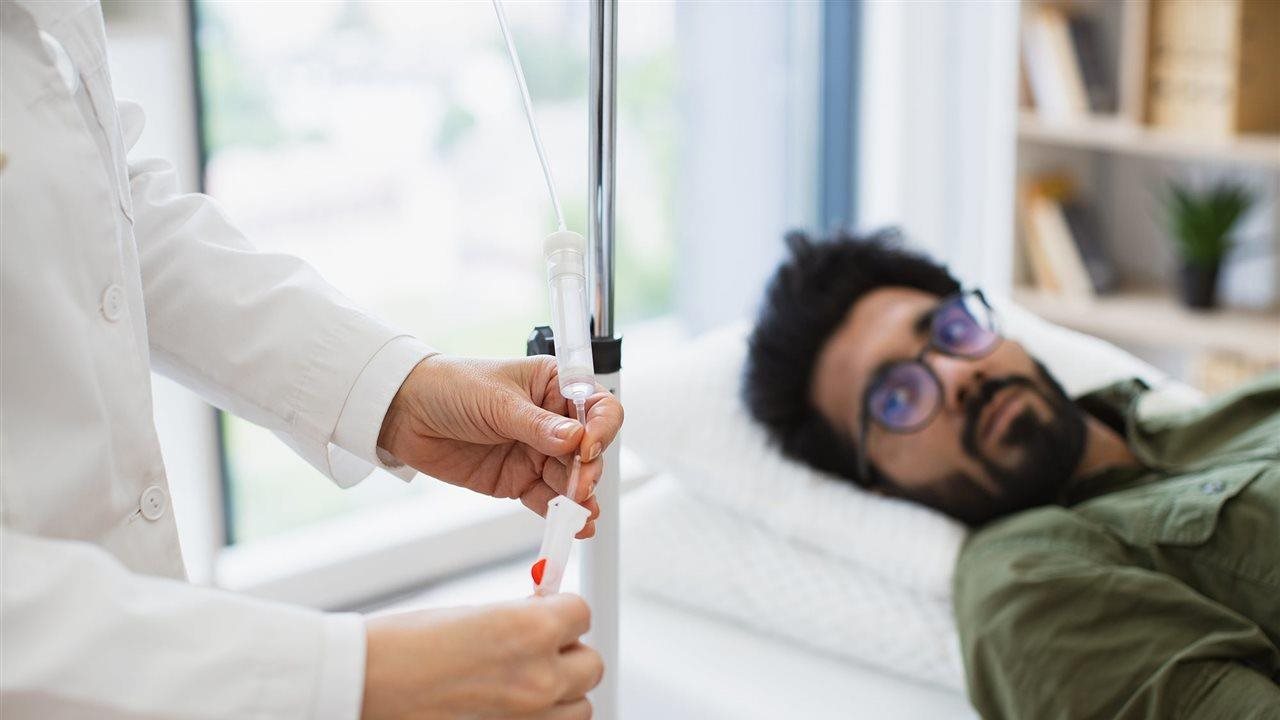
Ketamine can cause serious side effects requiring prompt medical intervention. That is why it matters where treatment is provided and whether qualified medical professionals are available if something goes wrong. For ketamine given by IV or injection, ASA guidance recommends that treatment should only be provided in a monitored medical setting under the supervision of a physician who is immediately available, familiar with ketamine's effects and prepared to respond to complications. Appropriate monitoring and emergency equipment should also be readily available.
However, some patients receive prescriptions after virtual visits and take ketamine at home, typically as a tablet or lozenge that dissolves under the tongue, without a trained healthcare professional to monitor their breathing, heart rate or level of consciousness.
"You can go from a short online screening to receiving a powerful anesthetic at home," said Dr. Giam. "If something goes wrong, there may be no one there trained to respond. In the hospital, we have strict protocols to account for every milligram of ketamine administered, yet ketamine used at home is subject to far less scrutiny. Patients need appropriate safeguards wherever they receive treatment."
Lawmakers and policymakers in some states, including Texas, are considering stricter regulations, and federal officials have stepped up scrutiny of online ketamine providers and unapproved ketamine products.
What to ask before treatment
Before starting therapy, your healthcare professional should review your medical history, medications and overall health to determine whether ketamine is appropriate for you. Follow-up appointments are also important to monitor your response, adjust care if needed and identify side effects or complications.
If you're considering ketamine therapy, ask questions before treatment begins so you can make a safer, more informed decision:
- Who will evaluate whether ketamine is appropriate for me?
- Will I have an in-person medical evaluation before treatment begins?
- Who will oversee and monitor me during treatment?
- What safety measures and emergency procedures are in place if I have a serious reaction?
- How could ketamine interact with my current medications or medical conditions?
- How often will I have follow-up appointments, and who should I contact if I experience problems after treatment?
Be sure to tell your healthcare professional about all prescription and over-the-counter medications, dietary supplements, alcohol, cannabis and other substances you use. Some combinations can increase the risk of dangerous side effects or make ketamine unsafe.
For more information about ketamine, visit https://madeforthismoment.asahq.org/pain-management/ketamine/.


