Sponsored by Medtronic
Heart conditions can impact anyone, anywhere, and often without warning. Fifty-nine-year-old Ana Florencio experienced this first-hand when what began as an otherwise typical day quickly turned into one of the scariest moments of her life.
While walking down the streets of New York City a couple of years ago, Ana fainted twice without warning. She later learned she suffered a hypertensive crisis1 — meaning she had an extreme and sudden spike in blood pressure. The experience marked a turning point in her heart health — one she shares with over 1 in 3 Hispanic women in the U.S. who live with high blood pressure.2
A threat among Hispanic communities
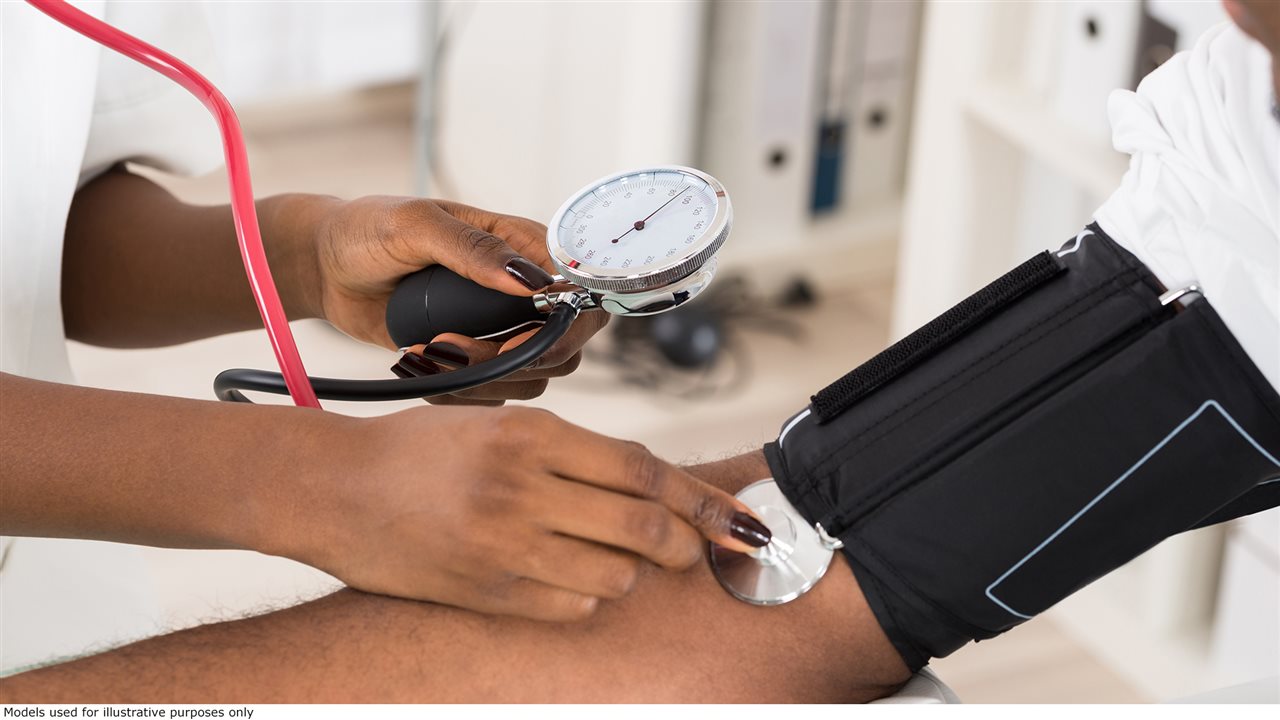
High blood pressure is a chronic condition often referred to as the "silent killer" because it can go undetected until a serious event occurs, as it did with Ana. When symptoms do appear, they may include headaches, dizziness, or shortness of breath. If not controlled, high blood pressure can lead to significantly increased health risks including heart attack and stroke.3,4
The condition affects 39% of Hispanic adults in the U.S.,5 and around 83% of Hispanic adults with high blood pressure don't have it under control,5 making the condition even more dangerous.
Prior to her fainting episode, Ana was diagnosed with type 2 diabetes. Type 2 diabetes is a condition closely linked to high blood pressure.3 Realizing she was now managing multiple chronic conditions, she knew now was the time to take action.
When medication falls short
In the time that followed, Ana worked with her care team, Dr. Prakash Krishnan at The Mount Sinai Hospital,* to manage her blood pressure with medication. While medication is effective for most, many do not maintain a routine to keep taking their medication; in fact, 50% of people with high blood pressure stop taking their medication within one year.6 Despite her best efforts, her blood pressure continued to rise. U.S. guidelines from AHA define high blood pressure as any value greater than 130/80 mmHg,3 but Ana's remained higher than recommended guidelines and she still experienced spikes in her blood pressure. In addition, Ana experienced severe side effects from her medications ranging from chronic nausea to headaches. These symptoms made it difficult for Ana to do the things she once loved, like taking long walks, cooking, cleaning and turning family gatherings into memorable celebrations.
Finding hope through renal denervation
Determined to take control of her health, Ana began researching alternative treatment options with her doctors. After extensive consultations, she learned about a one-time procedure called the Symplicity™ blood pressure procedure, a minimally invasive procedure for people with uncontrolled blood pressure despite lifestyle modifications and medications.7
The Symplicity Spyral™ renal denervation system works by calming excessively active nerves near the kidneys that may be contributing to high blood pressure.8 The procedure doesn't require any implant and once done, the effects keep working 24 hours a day.9,10
Seeing this as a chance to reclaim her physical and mental health, Ana decided to undergo the procedure. "The results were incredible," she shared. "Now, I have readings in the normal range, and it has given me the energy to enjoy the little things in life, like going on long walks without the fear of fainting again." In two clinical studies, over 50% of patients who received the blood pressure procedure saw a 10 millimeters of mercury drop in blood pressure regardless of if they were taking medications or not.9-11 Medication is still part of Ana's routine to control her blood pressure.
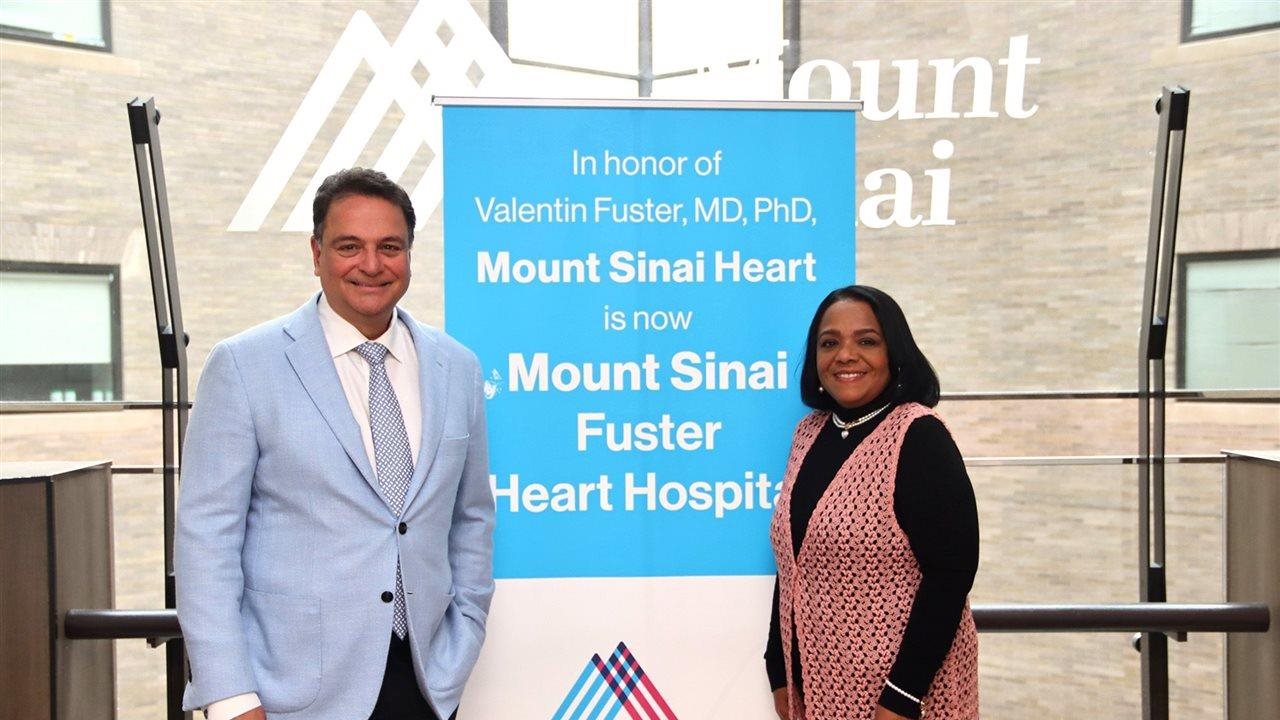
"So many patients like Ana who continue to struggle with uncontrolled hypertension, despite lifestyle changes and medication — renal denervation offers a meaningful adjunctive therapy," said Dr. Prakash Krishnan. "Seeing her blood pressure stabilized is exactly why we perform this procedure. My team and I at Mount Sinai Fuster Hospital along with the entire Mount Sinai Health System are very excited to be offering this procedure to help patients."
Forging your path
Ana's story is a powerful reminder that treatment for high blood pressure, like most things, isn't one-size-fits-all. While medications and lifestyle changes (like eating less salt and managing weight) are important tools, they aren't always enough for every patient. In Ana's case, a procedure like the Symplicity blood pressure procedure proved to be the missing piece she needed to regain control over her blood pressure numbers.
While public health experts continue to raise awareness about chronic conditions like high blood pressure,12 Ana's journey emphasizes the importance of understanding personal risks and demonstrates that, with the right care team and determination, it's possible to reclaim your health.
This patient testimonial is an individual's experience and opinion. Not every person will experience the same results.
The Symplicity Spyral renal denervation system is indicated to reduce blood pressure as an adjunctive treatment in patients with hypertension for whom lifestyle modifications and antihypertensive medications do not adequately control blood pressure. People with higher blood pressure before the procedure may see greater reductions in blood pressure and a decrease in the need for blood pressure medication following the procedure.
The Symplicity procedure has known risks that should be considered in relation to the potential benefits of the procedure. Potential procedure-related adverse events including pain, vascular access site complications, and vasospasm are most common.
To learn more about renal denervation and view additional important safety and risk information, visit beyondHBP.com.
*In the past, this physician has been paid for participation in speaking events by Medtronic.
1 Hypertensive crisis: What are the symptoms? Mayo Clinic. https://www.mayoclinic.org/diseases-conditions/high-blood-pressure/expert-answers/hypertensive-crisis/faq-20058491. Accessed October 29, 2025.
2 Martin SS, Aday AW, Allen NB, et al. 2025 Heart Disease and Stroke Statistics: A Report of US and Global Data From the American Heart Association. Circulation. 2025 Feb 25;151(8):e41-e660.
3 Jones DW, et al. 2025 AHA/ACC/AANP/AAPA/ABC/ACCP/ACPM/AGS/AMA/ASPC/NMA/PCNA/SGIM Guideline for the Prevention, Detection, Evaluation, and Management of High Blood Pressure in Adults: A Report of the American College of Cardiology/American Heart Association Joint Committee on Clinical Practice Guidelines. J Am Coll Cardiol. 2025 Nov 4;86(18):1567-1678.
4 High blood pressure dangers: Hypertension's effects on your body. Mayo Clinic. https://www.mayoclinic.org/diseases-conditions/highblood-pressure/in-depth/high-blood-pressure/art-20045868. Accessed Oct 16, 2024.
5 Health and Economic Benefits of High Blood Pressure Interventions. Centers for Disease Control and Prevention. https://www.cdc.gov/nccdphp/priorities/high-blood-pressure.html. Accessed October 29, 2025.
6 Berra E, Azizi M, Capron A, et al. A. Evaluation of Adherence Should Become an Integral Part of Assessment of Patients With Apparently Treatment-Resistant Hypertension. Hypertension. 2016 Aug;68(2):297-306.
7 Medtronic Symplicity Spyral multi-electrode renal denervation catheter Instructions for Use.
8 Coates P, Tunev S, Trudel J, Hettrick DA. Time, Temperature, Power, and Impedance Considerations for Radiofrequency Catheter Renal Denervation. Cardiovasc Revasc Med. September 2022;42:171–177.
9 Kandzari DE, Townsend RR, Kario K, et al. Safety and Efficacy of Renal Denervation in Patients Taking Antihypertensive Medications. J Am Coll Cardiol. November 7, 2023;82(19):1809–1823.
10 Böhm M, Kario K, Kandzari DE, et al. Efficacy of catheter-based renal denervation in the absence of antihypertensive medications (SPYRAL HTN-OFF MED Pivotal): a multicentre, randomized, sham-controlled trial. Lancet. May 2, 2020;395(10234):1444-1451.
11 Symplicity SpyralTM Renal Denervation System. FDA Presentation. US FDA Circulatory Systems Devices Panel. Meeting date August 23, 2023.
12 Surgeon General's Call to Action to Control Hypertension. U.S. Department of Health and Human Services. https://www.hhs.gov/sites/default/files/call-to-action-to-control-hypertension.pdf. Accessed October 29, 2025.
US-SE-2500594 v 5.0
©2026 Medtronic. Medtronic, Medtronic logo, and Engineering the extraordinary are trademarks of Medtronic. All other brands are trademarks of a Medtronic company


