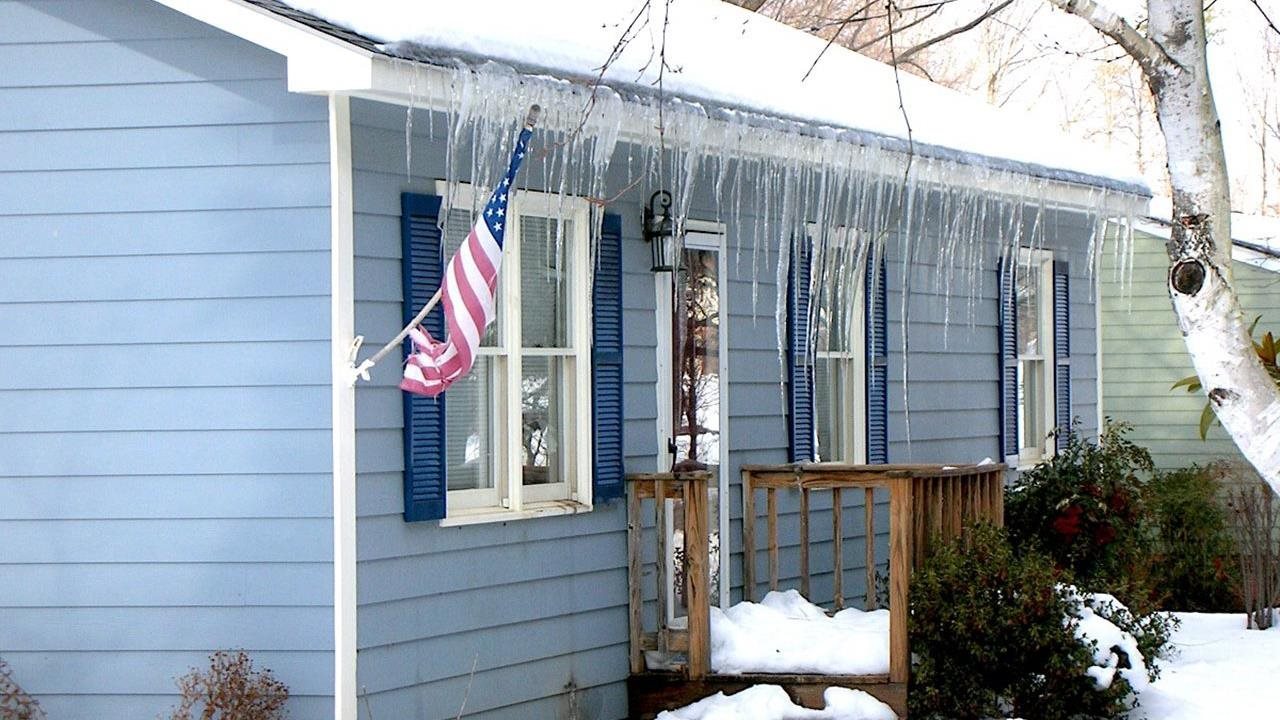
January often delivers the harshest winter conditions — freezing temperatures, ice, snow, and rapid freeze-thaw cycles that put your home at risk. These elements often lead to frozen pipes, ice dams, roof leaks, and other costly damage that leave homeowners with time-consuming repairs. Over the past decade, winter storms have caused more than $60 billion in insured losses nationwide, including approximately $4.02 billion in 2024 alone.
The good news: most winter-related damage is preventable.
The Insurance Institute for Business & Home Safety (IBHS) offers practical steps homeowners can use today to prevent damage — no matter where they live — when severe winter weather arrives.
Warmer Regions Face Unique Winter Risks
Homes designed for warmer climates can be more vulnerable during extended periods of freezing temperatures. While snow and ice are common in northern and midwestern regions, homes in warmer areas like the South often lack the insulation needed to withstand prolonged freezing temperatures, especially if there is a power outage.
Recent record-setting events along the Gulf Coast and parts of the southeast make it clear that winter weather can happen anywhere, and being prepared can save thousands of dollars in damage. Taking proactive steps now can help homeowners reduce risk before winter weather hits.
Protect your roof
A well-maintained roof is your first line of defense against severe weather. Identifying and addressing potential weak points before winter weather arrives can help reduce the risk of damage. The steps below can help homeowners evaluate their roof's condition; consider a professional inspection if you are unable to safely assess the roof yourself.
- Inspect your roof: Check for and secure any loose, missing or damaged shingles to prevent leaks from snow or rain.
- Inspect flashing and seals at chimneys, vents and skylights: These areas are common leak points that need to be periodically maintained to keep water out.
- Clean gutters and downspouts: Keep them free of debris to allow precipitation to flow away from the home, preventing water from backing up and leaking into interior spaces like the attic.
- Trim back branches: Remove any tree limbs near the home or overhanging the roof that could collapse under snow or ice, damaging the roof or breaking windows. Consider hiring an arborist to ensure trees are trimmed safely and properly.
- Improve insulation: Proper insulation in the attic helps keep heat inside the home instead of warming the roof. When heat escapes, it can cause snow or ice on the roof to melt and refreeze at the edges, forming ice dams. These ice dams add weight and can force water under shingles, leading to leaks and damage to the roof and gutters.
Want to better understand how a roof protects the home?
IBHS's Roofing Roadmaps explain how roofing components work, empowering homeowners to make smarter choices and reduce risk in any season. If it's time to re-roof, consider upgrading to the FORTIFIED Roof standard, a beyond-code construction and re-roofing method developed based on IBHS research that offers added protection against wind and water damage.
Household maintenance tasks to help prevent winter weather damage
Simple, low-cost actions now can significantly reduce the risk of frozen pipes, leaks, and other vulnerabilities that can contribute to winter-related damage.
- Keep cold air and water out: Seal gaps and cracks around windows and doors to help keep cold air and moisture out.
- Insulate your pipes: Properly insulate pipes in unheated areas of the home, like attics and crawl spaces, and located along exterior walls.
- Be proactive to prevent leaks: Ensure the main water shutoff valve is easy to locate, clearly labeled, and that everyone in the household knows its location. Consider installing an automatic water shutoff device for added protection in case of leaks. Pro tip: Place smart water detection sensors near high-risk areas such as sinks, water heaters, washing machines, and crawl spaces.
Preparing your home in advance is one of the most effective ways to protect your property from severe weather year-round. For more science-based guidance on winter preparation, explore IBHS's Winter Ready-Home and Winter Ready-Business.


